
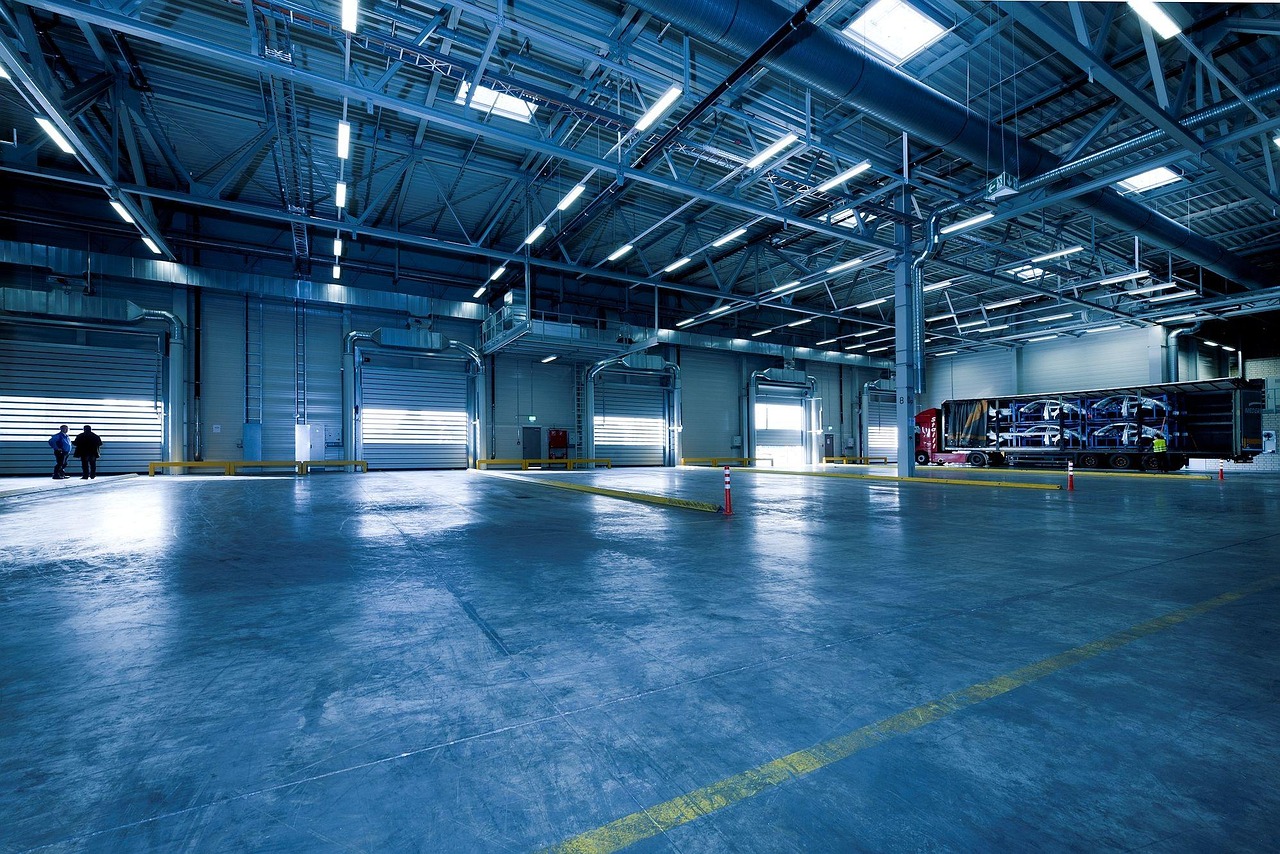
Industrial sectional overhead doors play a crucial role in the smooth operation, security, and energy efficiency of modern industrial and commercial facilities. From warehouses and factories to logistics hubs and automotive workshops, these doors are designed to handle heavy usage while offering durability, insulation, and safety. Choosing the right overhead door solution can significantly impact productivity, operating costs, and building performance.
This comprehensive guide explains everything you need to know about industrial sectional overhead doors, including how they work, their benefits, materials, insulation options, safety features, and how to choose the right one for your facility.
What Are Industrial Sectional Overhead Doors?
Industrial sectional overhead doors are large doors made up of horizontal panels connected by hinges. These panels move vertically and slide along tracks, eventually resting parallel to the ceiling when fully open. Unlike traditional swing or roller doors, sectional overhead doors maximise usable space both inside and outside the building.
These doors are specifically engineered for industrial environments where frequent opening and closing, heavy-duty performance, and long service life are required.
How Industrial Sectional Overhead Doors Work
Sectional overhead doors operate using a track-and-spring system. When opened, the panels lift vertically and curve smoothly along the ceiling tracks. The movement is supported by torsion or extension springs, which balance the door’s weight and make operation effortless.
They can be operated:
- Manually (for smaller industrial units)
- Using electric motors with wall switches
- Via remote controls or smart automation systems
This flexible operation makes them suitable for a wide range of industrial applications.
Key Benefits of Industrial Sectional Overhead Doors
1. Space Efficiency
Because these doors open vertically and rest overhead, they do not swing outward or require additional clearance. This allows:
- Maximum use of driveway and loading areas
- Efficient internal layout planning
- Safe operation in confined spaces
2. Superior Insulation and Energy Efficiency
Most industrial sectional doors are available with insulated panels. These panels help:
- Maintain stable indoor temperatures
- Reduce heat loss in winter and heat gain in summer
- Lower energy consumption and heating costs
This makes them ideal for temperature-controlled facilities, cold storage, and manufacturing units.
3. Durability and Long Lifespan
Designed for heavy-duty use, industrial sectional overhead doors are built to withstand:
- High traffic cycles
- Harsh weather conditions
- Daily industrial wear and tear
With proper maintenance, these doors can last for many years without performance loss.
4. Enhanced Security
Security is a major concern for industrial premises. Sectional overhead doors offer:
- Robust panel construction
- Secure locking mechanisms
- Optional access control integration
- Tamper-resistant designs
These features help protect valuable equipment, goods, and personnel.
Common Materials Used in Industrial Sectional Doors
The choice of material affects performance, insulation, maintenance, and appearance.
Steel Sectional Doors
Steel is the most popular choice for industrial doors due to its strength and durability. Benefits include:
- High impact resistance
- Long service life
- Minimal maintenance
- Compatibility with insulation panels
Aluminium Sectional Doors
Aluminium doors are lighter and corrosion-resistant. They are often used where:
- A modern aesthetic is required
- Visibility panels are included
- Weight reduction is important
Glazed or Vision Panel Doors
These doors combine aluminium or steel frames with transparent panels to allow natural light inside the facility. They are ideal for:
- Showrooms
- Service bays
- Automotive workshops
Insulation Options for Industrial Sectional Overhead Doors
Insulation is a key factor in door performance. Most high-quality sectional doors use:
- Polyurethane foam-filled panels
- Multi-layer sandwich construction
- Thermal break designs
Insulated doors help:
- Reduce condensation
- Improve acoustic insulation
- Create a comfortable working environment
Facilities with temperature-sensitive operations benefit significantly from insulated sectional doors.
Safety Features and Compliance
Industrial sectional overhead doors are designed to meet strict safety standards. Common safety features include:
- Finger-protection panel joints
- Spring break protection systems
- Cable break devices
- Emergency manual operation
- Safety edge sensors for automated doors
These features reduce the risk of accidents and ensure compliance with workplace safety regulations.
Automation and Smart Control Options
Modern industrial sectional doors can be fully automated and integrated with building management systems. Automation options include:
- High-speed electric motors
- Remote and keypad access
- Motion sensors
- Smart controls and IoT integration
Automation improves efficiency by reducing waiting times and enhancing operational flow, especially in high-traffic environments.
Where Industrial Sectional Overhead Doors Are Used
These doors are suitable for a wide range of industries, including:
- Warehouses and distribution centres
- Manufacturing plants
- Logistics and transport hubs
- Automotive service centres
- Fire stations
- Aircraft hangars
- Cold storage and food processing facilities
Their adaptability makes them a preferred solution across multiple sectors.
Choosing the Right Industrial Sectional Overhead Door
When selecting the right door, consider the following factors:
- Door size and opening frequency
- Insulation requirements
- Security needs
- Type of operation (manual or automated)
- Environmental conditions
- Compliance with safety standards
Working with an experienced supplier or installer ensures the door is tailored to your facility’s specific requirements.
Maintenance and Long-Term Care
Regular maintenance helps extend the life of industrial sectional overhead doors. Best practices include:
- Periodic inspection of springs and cables
- Lubrication of moving parts
- Checking alignment and balance
- Testing safety systems
Planned maintenance reduces downtime and prevents costly repairs.
Conclusion
Industrial sectional overhead doors are a smart, reliable, and efficient solution for modern industrial facilities. Their space-saving design, insulation performance, durability, and advanced safety features make them ideal for demanding environments. Whether you are constructing a new facility or upgrading existing infrastructure, investing in high-quality sectional overhead doors enhances security, energy efficiency, and overall operational performance.
By understanding their features, materials, and applications, you can confidently choose an industrial sectional overhead door that supports your business needs today and into the future.