Are Video Doorbells and Smart Locks Enough to Protect Your Home? A Practical Security Guide

Smart home security has grown rapidly, and video doorbells and smart locks are now among the most popular upgrades homeowners choose. They promise convenience, remote access, and greater peace of mind all from a smartphone. But an important question remains: do video doorbells and smart locks really offer enough protection for your home on their own?

This guide takes a realistic, homeowner-focused look at what these smart devices can and cannot do, helping you decide whether they’re sufficient or just one part of a stronger home security strategy.

Understanding Video Doorbells and Smart Locks

Before evaluating their effectiveness, it’s important to understand how these devices work.

What Is a Video Doorbell?

A video doorbell is a smart camera installed at your front door that allows you to:

  • See and speak to visitors in real time
  • Receive motion alerts
  • Record video footage
  • Monitor deliveries and visitors remotely

Many models include night vision, cloud storage, and AI-based motion detection.

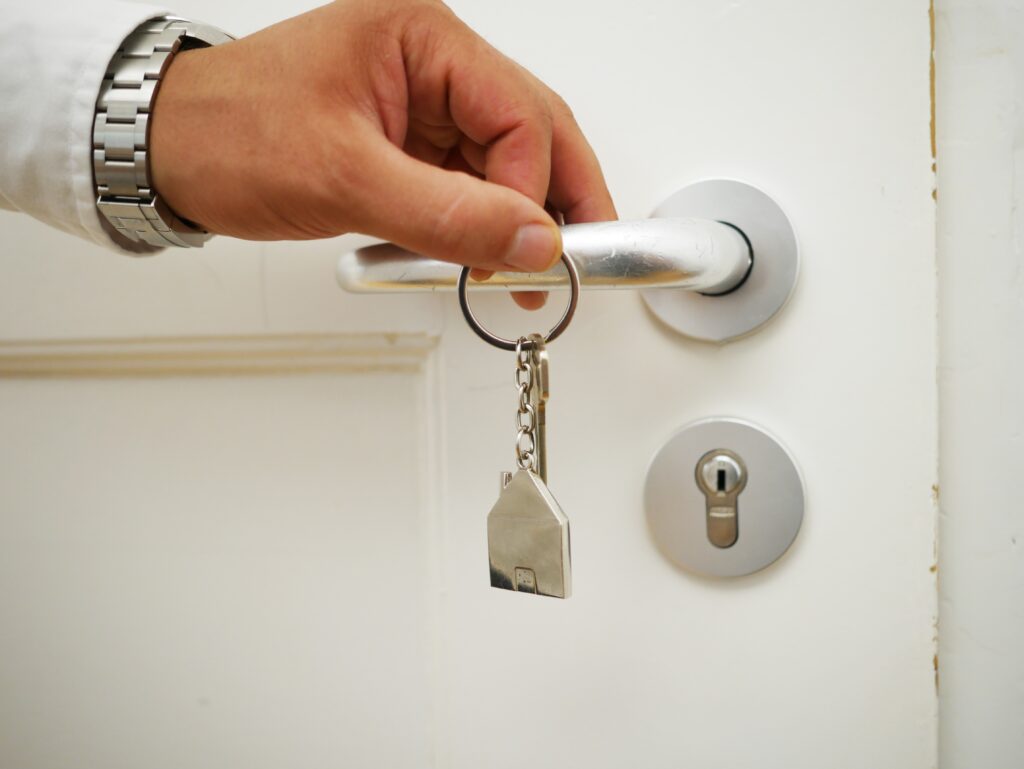
What Is a Smart Lock?

A smart lock replaces or enhances a traditional door lock and allows you to:

  • Lock and unlock doors remotely
  • Use keypads, fingerprints, or smartphone access
  • Create temporary or scheduled access codes
  • Track entry and exit activity

Together, these devices modernise how you control and monitor your front door.

The Security Benefits of Video Doorbells

Visual Deterrence

The presence of a visible camera can discourage opportunistic criminals. Many burglars prefer easy, unnoticed targets, and a video doorbell signals surveillance.

Real-Time Awareness

Motion alerts notify you instantly when someone approaches your door, even if you’re not home. This awareness can help prevent package theft or unwanted visitors.

Evidence Collection

Recorded footage can be valuable if an incident occurs. Clear video evidence helps identify intruders and supports police investigations or insurance claims.

Remote Communication

Two-way audio allows you to speak to visitors or delivery drivers without opening the door, improving safety, especially for elderly residents or people living alone.

The Security Benefits of Smart Locks

Keyless Convenience

Smart locks eliminate risks associated with lost or copied keys. Access is controlled digitally, making it easier to manage.

Controlled Access

You can issue temporary codes to guests, cleaners, or tradespeople and revoke them anytime, no need to change locks.

Activity Monitoring

Many smart locks log entry times, helping you track who enters your home and when.

Integration with Smart Systems

Smart locks often integrate with alarms, cameras, and automation systems, enabling features like auto-locking doors or arming security systems when you leave.

Where Video Doorbells and Smart Locks Fall Short

Despite their benefits, these devices have limitations that homeowners should understand.

They Focus Mainly on the Front Door

Most burglaries don’t occur at the front door alone. Criminals often enter through:

  • Rear doors
  • Windows
  • Side entrances

A video doorbell and smart lock only protect one access point.

They Are Reactive, Not Preventive

Video doorbells record events, but they don’t physically stop someone from breaking in. Footage is useful after an incident, but it doesn’t always prevent one.

Dependence on Internet and Power

Smart devices rely on:

  • Stable internet connection
  • Continuous power supply

If Wi-Fi goes down or power is cut, functionality may be limited unless backup systems are in place.

Potential Cybersecurity Risks

Poorly secured devices or weak passwords can make smart locks vulnerable to hacking. While rare, digital security must be taken seriously.

Are They Enough on Their Own?

The honest answer: for most homes, no, not on their own.

Video doorbells and smart locks significantly improve convenience and front-door monitoring, but they are best viewed as components of a layered security approach, not complete solutions.

How to Strengthen Protection Beyond Smart Devices

Add Door and Window Sensors

Sensors trigger alerts when doors or windows are opened unexpectedly, covering multiple entry points.

Use Motion Detectors

Indoor and outdoor motion sensors provide broader coverage and early warning of movement inside or around the home.

Install Outdoor Security Cameras

Cameras covering gardens, driveways, and side paths increase visibility and deterrence.

Consider an Alarm System

An audible alarm can scare intruders away immediately and alert neighbours.

The Role of Professional Monitoring

Many video doorbells and smart locks are self-monitored, meaning alerts go only to your phone. Professional monitoring services:

  • Respond 24/7
  • Contact emergency services if needed
  • Provide faster intervention

This adds another layer of protection, especially when you’re unavailable.

Smart Locks vs Traditional Locks: Which Is Safer?

Smart locks are not automatically more secure than high-quality traditional locks. The real safety depends on:

  • Build quality
  • Locking mechanism strength
  • Installation quality

A poorly installed smart lock is less secure than a well-installed, high-grade mechanical lock. Ideally, smart locks should complement, not replace, solid physical security.

Best Practices for Using Smart Security Devices Safely

  • Use strong, unique passwords
  • Enable two-factor authentication
  • Keep firmware updated
  • Secure your home Wi-Fi network
  • Choose reputable brands with regular security updates

These steps reduce the risk of digital vulnerabilities.

Who Benefits Most from Video Doorbells and Smart Locks?

These devices are especially beneficial for:

  • Families with frequent deliveries
  • Elderly homeowners needing remote monitoring
  • Rental property owners managing access
  • Busy professionals who travel often

However, even in these cases, additional security layers are recommended.

Cost vs Value Consideration

Video doorbells and smart locks are generally affordable compared to full alarm systems. They offer:

  • Strong value for convenience
  • Moderate security improvement
  • Easy installation

But expecting them to replace a comprehensive security system may lead to a false sense of safety.

Building a Balanced Home Security System

The most effective home security combines:

  • Physical security (strong doors, locks, windows)
  • Smart technology (doorbells, locks, cameras)
  • Detection systems (alarms, sensors)
  • Human awareness (neighbours, routines)

Each layer compensates for the limitations of the others.

Final Thoughts

Video doorbells and smart locks are excellent tools for modernising home security, improving awareness, and adding convenience. They provide valuable front-door protection, real-time monitoring, and access control, but they are not complete security solutions on their own.

For true peace of mind, they should be part of a broader, layered approach that includes alarms, sensors, and physical security measures. When used correctly and combined with other protections, smart devices play a powerful role in keeping your home safer, smarter, and more secure.

Flood Doors in Ilford:  AllSecure Doors Ltd

Flooding has become an increasing concern for homeowners and businesses across the UK, and areas like Ilford are no exception. With changing weather patterns, heavy rainfall, and surface water flooding on the rise, protecting properties against water ingress is no longer optional, it’s essential. One of the most effective solutions available today is the installation of flood doors.

This blog explores the importance of flood doors in Ilford, how they work, and why AllSecure Doors Ltd is a trusted choice for reliable flood protection solutions.

Why Flood Protection Is Crucial in Ilford

Ilford, like many parts of Greater London, is vulnerable to flooding caused by:

  • Heavy rainfall and overwhelmed drainage systems
  • Surface water flooding
  • Rising groundwater levels
  • Localised sewer overflow

Even a small amount of floodwater entering a property can cause extensive damage to flooring, walls, electrical systems, furniture, and stock. The cost of repairs, insurance claims, and disruption can be significant. Flood doors provide a proactive way to reduce these risks.


What Are Flood Doors?

Flood doors are specially designed doors that prevent water from entering a property during flood events. Unlike standard doors, they are engineered with watertight seals, reinforced frames, and tested flood resistance to withstand pressure from rising water.

Flood doors can be installed on:

  • Front and rear entrances
  • Commercial premises
  • Garages and basements
  • Residential and industrial properties

They form a critical part of a complete flood defence strategy.

How Flood Doors Work

Flood doors operate using a combination of smart engineering features:

  • Watertight seals that expand or compress to block water
  • Reinforced door leaves and frames to withstand water pressure
  • Secure locking systems that ensure a tight seal
  • Threshold protection to prevent seepage at floor level

Once installed, flood doors provide constant protection without the need for manual fitting during emergencies.

Benefits of Installing Flood Doors in Ilford

1. Reliable Flood Resistance

Flood doors are tested to resist water ingress up to specific heights and durations, offering dependable protection during flood events.

2. Permanent, Always-On Protection

Unlike temporary flood barriers, flood doors are always in place—ready to perform when needed.

3. Reduced Property Damage

By keeping floodwater out, flood doors help protect interiors, electrics, and structural elements.

4. Lower Insurance Risk

Flood resilience measures may help reduce insurance premiums and improve claim outcomes.

5. Peace of Mind

Knowing your property is protected allows you to focus on safety rather than panic during severe weather.

Residential Flood Doors for Homes

For homeowners in Ilford, flood doors offer a discreet yet powerful solution.

Residential flood doors are designed to:

  • Blend with the appearance of your home
  • Meet security and thermal performance standards
  • Provide everyday usability alongside flood protection

Modern designs mean you don’t have to compromise on style to stay safe.

Commercial Flood Doors for Businesses

Businesses face even greater risks from flooding, including:

  • Loss of stock and equipment
  • Business interruption
  • Health and safety hazards

Commercial flood doors installed by experienced providers like AllSecure Doors Ltd help businesses remain operational and compliant with safety standards.

They are ideal for:

  • Shops and retail units
  • Offices
  • Warehouses
  • Industrial premises

Why Choose AllSecure Doors Ltd in Ilford?

AllSecure Doors Ltd is a trusted name in high-quality door solutions, offering expertise in flood protection systems tailored to local needs.

Expertise and Professional Installation

AllSecure Doors Ltd provides:

  • Expert assessment of flood risk
  • Professional recommendations
  • Precision installation

Correct installation is essential a poor fitting can compromise even the best flood door.

High-Quality Materials and Engineering

Their flood doors are built using robust materials designed to withstand pressure, wear, and harsh conditions.

Bespoke Solutions

Every property is different. AllSecure Doors Ltd offers tailored flood door solutions that suit the specific layout, usage, and risk level of your property.

Flood Doors vs Temporary Flood Barriers

While temporary flood barriers can be effective, flood doors offer several advantages:

  • No need for emergency installation
  • Reduced human error during stressful situations
  • More durable and long-lasting
  • Integrated into the building structure

Flood doors are a long-term investment rather than a reactive solution.

Compliance and Standards

Quality flood doors are tested against recognised standards to ensure performance and reliability. Professional providers ensure installations meet:

  • Building regulations
  • Flood resistance testing requirements
  • Safety and security expectations

This compliance is vital for both residential and commercial properties.

Maintenance of Flood Doors

Flood doors are designed for durability but still require basic maintenance:

  • Regular inspection of seals
  • Keeping thresholds clean and clear
  • Periodic checks of locks and hinges

Simple upkeep ensures long-term effectiveness and reliability.

Investing in Flood Resilience

Flooding is unpredictable, but preparation isn’t. Installing flood doors is a proactive step towards flood resilience protecting not just buildings, but also livelihoods, memories, and peace of mind.

With climate risks increasing, investing in flood protection today can save significant costs and stress in the future.

Final Thoughts

Flood doors are one of the most effective defences against water damage, especially in flood-prone areas like Ilford. Whether for a home or business, they provide reliable, permanent protection without disrupting daily life.

By choosing AllSecure Doors Ltd, property owners in Ilford benefit from expert guidance, quality craftsmanship, and tailored flood door solutions designed to withstand real-world conditions. When it comes to safeguarding your property from flooding, preparation makes all the difference.

How Secure Are Timber Windows and Doors? A Practical Guide for Modern Homes

Timber windows and doors are often admired for their natural beauty, warmth, and timeless appeal. However, many homeowners still ask an important question before investing in them: how secure are timber windows and doors? With growing concerns about home security, it’s essential to understand whether timber can truly protect your property as effectively as other materials.

This in-depth guide explores the security of timber windows and doors, the technology behind modern designs, and how they compare to alternative options.

The Common Misconception About Timber Security

A common belief is that timber windows and doors are less secure than uPVC or aluminium. This idea often comes from older timber installations that lacked modern locking systems or reinforcement. In reality, modern engineered timber products are highly secure and designed to meet strict safety standards.

Today’s timber windows and doors combine traditional craftsmanship with advanced security technology.

Strength of Timber as a Material

High-quality hardwoods and engineered softwoods are incredibly strong.

  • Dense timber resists impact and forced entry
  • Engineered timber reduces warping and cracking
  • Laminated timber construction adds structural integrity

When properly treated and manufactured, timber frames offer excellent durability and strength.

Modern Locking Systems for Timber Windows and Doors

Security is not just about the frame, it’s also about the locking mechanisms.

Multi-Point Locking Systems

Most modern timber doors feature multi-point locks that secure the door at several points along the frame, making forced entry extremely difficult.

Advanced Window Locks

Timber windows are fitted with:

  • Espagnolette locking systems
  • Key-lockable handles
  • Internal locking mechanisms

These features provide the same level of protection found in uPVC or aluminium systems.

High-Security Glazing Options

Glass plays a critical role in overall security.

Modern timber windows and doors use:

  • Toughened safety glass
  • Laminated security glass
  • Double or triple glazing units

Laminated glass, in particular, is designed to remain intact even when broken, preventing intruders from gaining easy access.

Frame Design and Reinforcement

Timber frames can be reinforced without compromising appearance.

  • Steel or aluminium reinforcements can be hidden inside frames
  • Thicker profiles improve resistance to impact
  • Precision joinery ensures tight, secure fitting

These enhancements significantly improve resistance to forced entry.

Compliance with UK Security Standards

High-quality timber windows and doors are tested to meet UK and European standards.

Look for products that comply with:

  • PAS 24 security standards
  • Building Regulations (Part Q)
  • Secured by Design certification

These certifications confirm that timber installations meet rigorous security requirements.

Are Timber Doors Secure for External Use?

Yes, modern timber external doors are extremely secure when properly specified.

Front and back doors often include:

  • Solid or engineered timber cores
  • Reinforced door leaves
  • Anti-snap, anti-drill, and anti-pick locks
  • Strong hinges with security bolts

A well-designed timber door can be just as secure as metal alternatives.

Timber Windows vs uPVC and Aluminium: Security Comparison

While each material has advantages, security levels are comparable when quality products are used.

  • Timber: Strong, customizable, and secure with modern locks
  • uPVC: Affordable and low maintenance
  • Aluminium: Slim profiles with excellent strength

Security depends more on design, glazing, and hardware than the frame material alone.

Maintenance and Its Impact on Security

Proper maintenance is essential for long-term security.

  • Regularly check locks and hinges
  • Maintain protective coatings to prevent decay
  • Address swelling or shrinkage early

Well-maintained timber frames remain secure for decades.

Additional Security Enhancements for Timber Windows and Doors

Homeowners can further improve security by adding:

  • Window restrictors
  • Security sensors and alarms
  • Reinforced glazing beads
  • Smart locks integrated into timber doors

These upgrades enhance protection without sacrificing style.

Environmental and Psychological Benefits of Timber

Beyond physical security, timber offers intangible benefits.

  • Natural appearance discourages forced entry in some contexts
  • Creates a welcoming yet solid presence
  • Sustainable and environmentally friendly

Many homeowners value the balance of aesthetics and safety that timber provides.

Common Myths About Timber Windows and Doors

Myth: Timber rots easily and becomes weak

Fact: Modern treatments make timber highly durable

Myth: Timber is easier to break into

Fact: Security depends on locks and glazing, not material alone

Myth: Timber requires excessive maintenance

Fact: Advances in finishes have reduced maintenance needs significantly

Choosing Secure Timber Windows and Doors

When selecting timber products, consider:

  • Reputable manufacturers and installers
  • Certified security standards
  • High-quality locks and glazing
  • Professional installation

Poor installation can undermine even the most secure design.

Final Thoughts

So, how secure are timber windows and doors? When designed and installed to modern standards, they are extremely secure, durable, and reliable. Advances in materials, locking systems, and glazing have transformed timber into a high-performance option that offers both safety and elegance.

For homeowners seeking a balance between security, sustainability, and style, modern timber windows and doors remain a smart and secure choice.

Rusty Metal Doors? Here’s How to Restore, Protect, and Extend Their Life

Metal doors are known for their strength, durability, and security – but over time, exposure to moisture, air, and harsh weather can cause an unwelcome problem: rust. Rust not only affects the appearance of your metal doors but can also weaken their structure if left untreated. The good news is that rusty metal doors can often be restored with the right approach.

In this detailed guide, we’ll explain why metal doors rust, how to fix rust step by step, and what you can do to prevent it from coming back, helping your doors look good and perform well for years to come.

Why Do Metal Doors Rust?

Rust forms when iron or steel reacts with oxygen and moisture, a process known as oxidation. Metal doors are particularly vulnerable if their protective coating becomes damaged or worn.

Common causes of rust include:

  • Constant exposure to rain and humidity
  • Scratches or chipped paint exposing bare metal
  • Poor-quality or aged paint finishes
  • Coastal or industrial environments
  • Lack of routine maintenance

Understanding the cause helps ensure you fix the problem properly and prevent future corrosion.

Is Rust on Metal Doors a Serious Problem?

Not all rust is the same. Some rust is purely cosmetic, while other forms can cause structural damage.

Surface Rust

This is light corrosion affecting the top layer of metal. It’s easy to fix and mainly impacts appearance.

Scale Rust

Occurs when rust penetrates deeper into the metal, causing flaking and rough patches.

Structural Rust

This is the most serious form and can weaken the door significantly. In extreme cases, replacement may be necessary.

Early detection makes restoration much easier and more cost-effective.

Tools and Materials You’ll Need

Before starting repairs, gather the following:

  • Wire brush or sanding block
  • Medium and fine-grit sandpaper
  • Rust remover or rust converter
  • Clean cloths
  • Mild detergent and water
  • Metal primer (rust-inhibiting)
  • Exterior-grade metal paint
  • Paintbrush or roller
  • Protective gloves and mask

Having the right tools ensures a smooth and professional-looking finish.

Step-by-Step Guide to Fixing Rusty Metal Doors

Step 1: Clean the Door Thoroughly

Start by washing the door with mild detergent and water to remove dirt, grease, and loose debris. Allow it to dry completely before moving to the next step.

Step 2: Remove Loose Rust and Paint

Use a wire brush or sandpaper to remove flaking paint and loose rust. Focus on rusted areas but feather the edges so the surface blends smoothly with surrounding paint.

Step 3: Sand the Surface

Once the loose rust is removed, sand the affected areas with medium-grit sandpaper, followed by fine-grit paper. This creates a smooth surface for treatment and painting.

Step 4: Apply a Rust Treatment

Apply a rust remover or rust converter according to the manufacturer’s instructions. Rust converters chemically transform rust into a stable, paintable surface, helping prevent further corrosion.

Step 5: Prime the Door

Use a high-quality, rust-inhibiting metal primer. Priming is essential, it seals the surface and provides a strong base for paint, improving durability and longevity.

Step 6: Repaint the Door

Apply an exterior-grade metal paint designed to withstand weather exposure. Use thin, even coats and allow proper drying time between layers for best results.

Choosing the Right Paint for Metal Doors

Selecting the correct paint is crucial for long-term protection.

Look for:

  • Weather-resistant properties
  • Anti-corrosion or rust-proof labels
  • UV resistance to prevent fading
  • Compatibility with metal surfaces

Gloss or semi-gloss finishes are often preferred as they repel moisture better and are easier to clean.

Preventing Rust from Returning

After restoring your metal door, prevention becomes the priority.

Regular Inspections

Check your doors every few months for chips, scratches, or early signs of rust.

Prompt Touch-Ups

Repair paint damage immediately to prevent moisture from reaching bare metal.

Keep Doors Dry

Ensure proper drainage and avoid water pooling around door frames.

Lubricate Hinges and Hardware

Rust can spread from hinges and screws, so keep metal components well-maintained.

Apply Protective Coatings

Consider clear protective sealants or anti-rust sprays for added protection.

When Should You Replace a Rusty Metal Door?

While many doors can be restored, replacement may be the better option if:

  • Rust has caused holes or severe structural damage
  • The door no longer seals properly
  • Repairs are frequent and costly
  • Safety and security are compromised

In such cases, upgrading to a new, corrosion-resistant metal or aluminium door may be more cost-effective in the long run.

DIY vs Professional Repair

DIY Repairs

Suitable for light to moderate surface rust and budget-conscious homeowners.

Professional Repairs

Recommended for extensive rust, large doors, or commercial properties. Professionals ensure proper treatment, finishing, and long-lasting protection.

Choosing the right approach depends on the severity of rust and your skill level.

How Rust Impacts Energy Efficiency and Security

Rust doesn’t just affect appearance. Over time, it can:

  • Compromise insulation
  • Create gaps that allow drafts
  • Weaken locking mechanisms
  • Reduce overall security

Maintaining rust-free doors contributes to a safer, more energy-efficient home.

Conclusion: Restore Your Metal Door the Right Way

Rusty metal doors don’t have to mean replacement. With timely attention, the right tools, and proper techniques, you can restore your doors to a clean, durable, and attractive condition. From removing rust and repainting to applying preventive measures, each step plays a role in extending the life of your metal doors.

Regular maintenance and early intervention are the keys to keeping rust at bay. Whether you choose a DIY fix or professional help, addressing rust promptly protects both the appearance and performance of your doors ensuring they continue to serve your home reliably for years to come.

Industrial Factory Doors: A Complete Guide to Selecting the Best Doors for Your Facility

In an industrial environment, every design decision plays a crucial role in productivity, safety, and long-term cost efficiency, and factory doors are no exception. Factory doors are not merely entry and exit points; they serve as essential components that regulate workflow, ensure security, enhance safety, and improve energy efficiency. Choosing the right factory doors can significantly impact daily operations, employee comfort, and compliance with industry standards.

This comprehensive guide explores the different types of factory doors, key factors to consider when selecting them, and how the right choice can future-proof your facility.

Why Factory Doors Are More Important Than You Think

Factory doors operate in demanding environments. Unlike residential or standard commercial doors, they must withstand constant use, heavy machinery movement, harsh weather, temperature variations, and strict safety regulations. Poor-quality or unsuitable doors can lead to downtime, increased maintenance costs, energy loss, and even workplace accidents.

High-quality factory doors help streamline logistics, protect assets, reduce noise pollution, and maintain internal environmental conditions making them an essential investment rather than a simple architectural feature.

Understanding Different Types of Factory Doors

Roller Shutter Doors

Roller shutter doors are among the most popular choices for factories due to their space-saving design and durability. They roll vertically into a compact box, making them ideal for facilities with limited space. These doors are commonly used for loading bays, warehouses, and production units.

Sectional Overhead Doors

Sectional doors open vertically and slide along ceiling tracks, offering excellent insulation and weather resistance. They are particularly suitable for temperature-controlled factories, food processing plants, and pharmaceutical units.

Steel Security Doors

Designed for maximum protection, steel doors provide superior resistance against forced entry, fire, and impact. These doors are often installed in high-security zones such as storage rooms, chemical units, and restricted-access areas.

High-Speed Doors

High-speed doors are engineered for rapid opening and closing, improving workflow efficiency and maintaining internal climate control. They are ideal for high-traffic areas where forklifts and personnel frequently move between zones.

Fire-Rated Factory Doors

Fire-rated doors are essential for meeting safety regulations and protecting lives and property. They are designed to withstand fire for a specific duration, preventing flames and smoke from spreading across sections of the factory.

Key Factors to Consider When Choosing Factory Doors

Operational Requirements

The first step in selecting the right factory door is understanding how it will be used. Consider the frequency of opening and closing, the type of traffic (manual handling, forklifts, pallets), and the speed required for operations.

Material Strength and Durability

Factory doors must endure heavy usage and harsh conditions. Materials like galvanized steel, aluminum, and reinforced composites offer excellent durability and longevity, reducing repair and replacement costs.

Safety and Compliance

Compliance with local safety regulations and international standards is non-negotiable. Look for doors with safety sensors, emergency stop features, fire ratings, and anti-fall mechanisms to protect workers and equipment.

Thermal and Acoustic Insulation

Insulated factory doors help maintain internal temperatures, reduce energy consumption, and minimize noise pollution. This is especially important in factories with climate-sensitive processes or noise-heavy machinery.

Security Needs

Factories often store high-value machinery, raw materials, and finished goods. Choosing doors with advanced locking systems, reinforced panels, and access control integration enhances overall facility security.

Energy Efficiency and Sustainability Benefits

Modern factory doors contribute significantly to energy efficiency. Insulated doors prevent heat loss during winter and keep interiors cool during summer, reducing HVAC costs. High-speed doors minimize air exchange, helping factories maintain consistent internal environments.

Additionally, many manufacturers now offer eco-friendly materials and energy-efficient designs, supporting sustainability goals and reducing the factory’s carbon footprint.

Automation and Smart Door Technology

Automated factory doors are becoming the industry standard. Features such as motion sensors, remote controls, programmable timers, and integration with building management systems improve operational efficiency and safety.

Smart factory doors also reduce human error, enhance access control, and provide data insights on door usage helping managers optimize workflows and maintenance schedules.

Maintenance and Long-Term Cost Considerations

While the initial cost of factory doors is an important factor, long-term maintenance and operational costs should not be overlooked. High-quality doors may have a higher upfront cost but offer lower maintenance, fewer breakdowns, and longer service life.

Regular inspections, lubrication, and timely repairs ensure smooth operation and prevent costly downtime. Choosing a reputable supplier with strong after-sales support is equally important.

Customisation for Industry-Specific Needs

Every factory operates differently. Custom factory doors can be tailored to size, material, insulation level, speed, and safety features to meet specific industry requirements. Whether it’s a food processing plant needing hygiene-compliant doors or a manufacturing unit requiring heavy-duty impact resistance, customization ensures optimal performance.

Common Mistakes to Avoid When Selecting Factory Doors

One of the most common mistakes is prioritizing cost over quality. Cheap doors may fail under industrial stress, leading to frequent repairs and safety risks. Another mistake is ignoring future scalability doors should accommodate potential expansion and increased operational demand.

Failing to consider environmental conditions such as humidity, dust, and temperature can also result in premature wear and reduced efficiency.

Final Thoughts: Investing in the Right Factory Doors

Choosing the right factory doors is a strategic decision that directly impacts productivity, safety, energy efficiency, and long-term operational costs. By understanding your facility’s specific needs, evaluating door types, and focusing on quality and compliance, you can ensure a solution that delivers value for years to come.

Factory doors are more than just access points, they are essential infrastructure elements that support smooth operations and sustainable growth. Investing wisely today means fewer disruptions, enhanced safety, and improved efficiency tomorrow.