Small businesses need reliable security, but they also need practical systems that are easy to manage. Traditional keys still work for many doors, but they can create problems when staff leave, keys are lost, or several people need different levels of access.
Door access control can help small businesses manage entry more safely and efficiently. It allows business owners to control who can enter, when they can enter and which doors they can use.
What is door access control?
Access control is a system that allows entry through a door using something other than a standard key. This could include a keypad, card, fob, smart lock, intercom, biometric reader or electronic release.
The system can be simple or advanced depending on the business. A small office may only need a keypad or fob system, while a warehouse or multi-room building may need controlled access to several doors.
Why small businesses consider access control
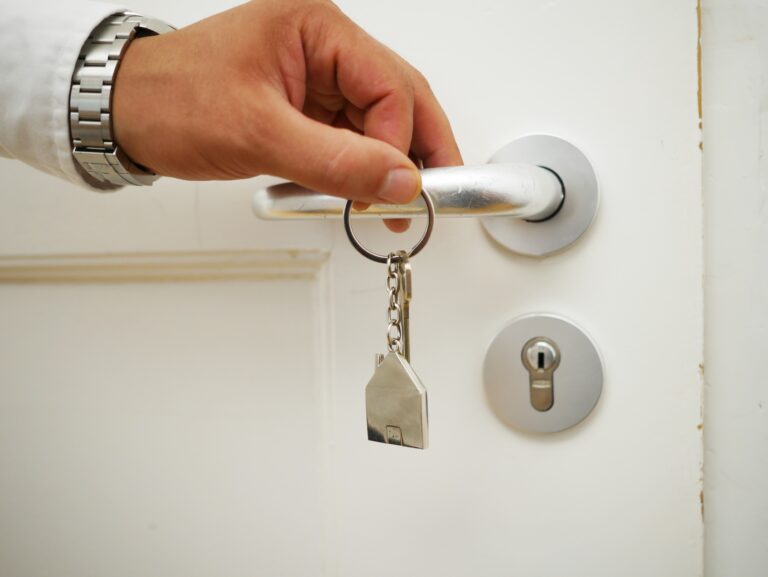
For many businesses, the main reason is key management. Physical keys can be copied, lost or kept by former employees. If security becomes a concern, locks may need to be changed.
With access control, entry permissions can often be changed more easily. Lost fobs can be disabled, staff access can be removed, and different users can be given different access rights.
Keypad entry systems
A keypad is one of the simplest access control options. Users enter a code to unlock the door. This can be useful for staff entrances, storage rooms, offices and restricted areas.
The main advantage is simplicity. There are no keys or cards to carry. However, codes should be changed regularly, especially when staff leave or if too many people know the same code.
Fob and card systems
Fobs and cards are popular for small businesses because they are easy to use and manage. Each staff member can be given a fob or card, and access can be removed if it is lost or no longer needed.
These systems are useful for offices, shops, gyms, workshops and shared commercial buildings. They can also create a more professional access process than standard keys.
Intercom and visitor control
For businesses that receive visitors, deliveries or clients, an intercom system can be helpful. Staff can speak to the visitor before allowing entry. Some systems include video, which adds another layer of control.
This is useful for offices, clinics, showrooms and commercial units where the main entrance should not be left open all day.
Access control and door strength
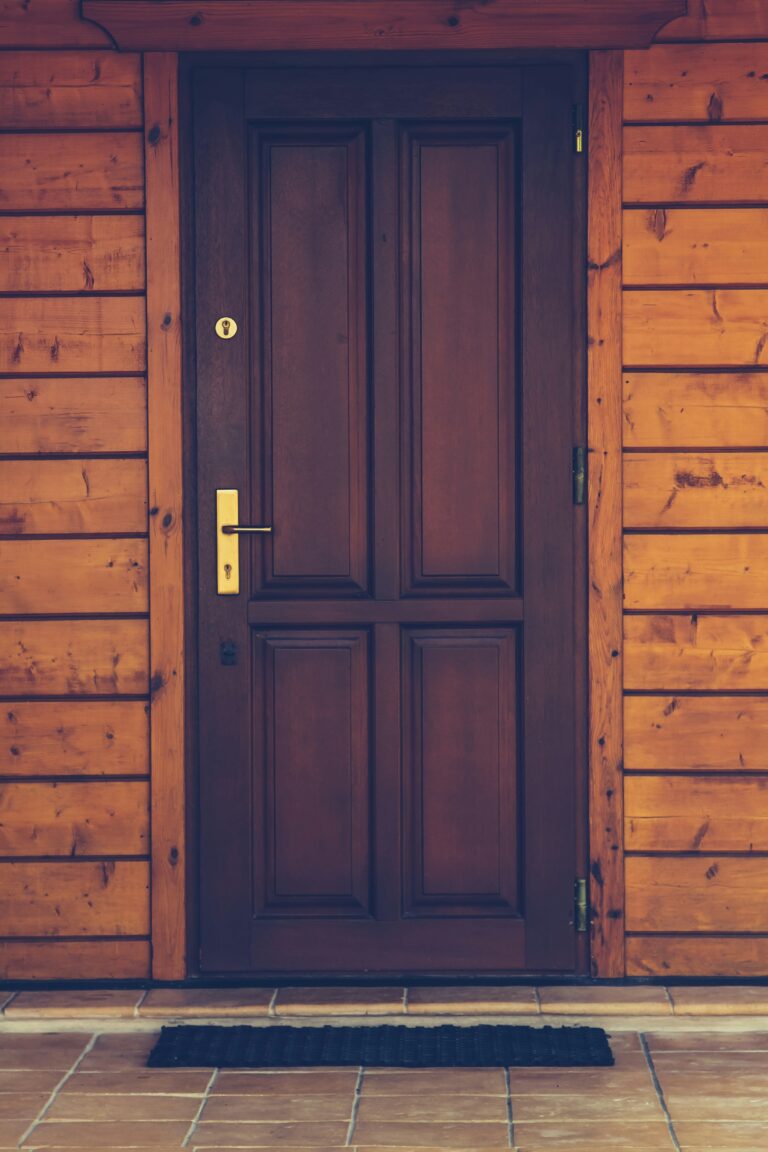
Access control is only as good as the door it is fitted to. A weak door with an electronic lock may still be vulnerable if the door leaf, frame or hinges are not strong enough.
For better protection, access control should be combined with a suitable security door, strong frame, quality lock hardware and correct installation.
Choosing the right system
The best option depends on the type of business, number of users, building layout and level of risk. A small shop may need a secure rear entrance with keypad access. An office may need fob access for staff and intercom control for visitors. A warehouse may need controlled entry to both pedestrian and loading areas.
Before choosing a system, consider how many people need access, how often staff change, whether visitor control is needed and whether access should be restricted by time or area.
Final thoughts
Door access control gives small businesses more control over security and daily access. It can reduce key problems, improve staff entry management and help protect sensitive areas.
All Secure Doors can supply and install secure doors suitable for access control systems, helping small businesses improve safety and convenience.