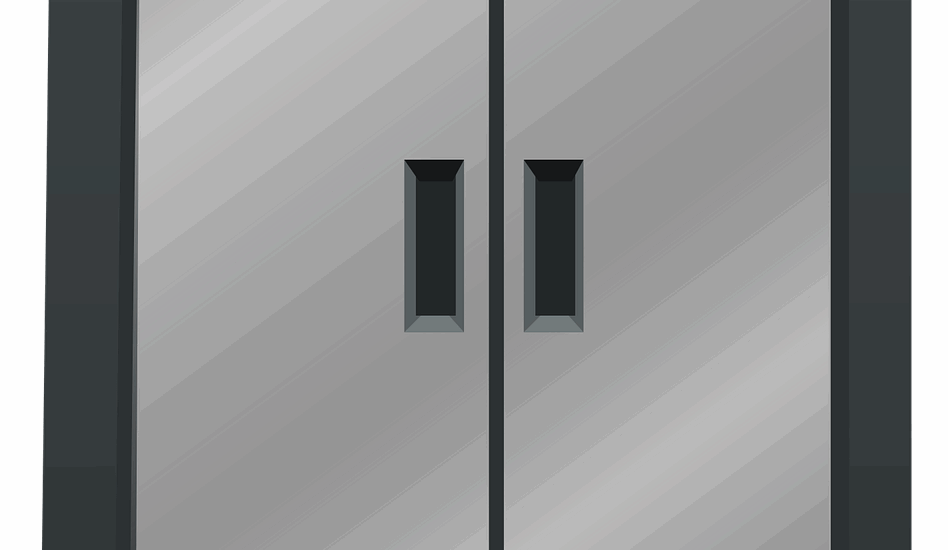
How to Make Your Double Doors Safer with Double Security Doors

Double doors are the epitome of elegance and grandeur in home design. They create a dramatic entrance, enhance curb appeal, and allow for wider openings perfect for moving furniture or letting in fresh air. However, the larger entryway also presents a greater security challenge. Without the right protection, double doors can become a vulnerable point for intruders.

This is where double security doors come into play. They not only preserve the beauty of your entrance but also add a powerful layer of safety. In this guide, we’ll explore why they are essential, the benefits they offer, and how to choose and maintain them for maximum protection.

Why Double Doors Need Extra Security

While stunning, double doors can be less secure than single doors because:

  • Central Gap Vulnerability – The space between the two doors can be pried open without strong locking mechanisms.
  • Weaker Locking Points – Many double doors have a single main lock, leaving other sections weaker.
  • Glass Panels – Many designs include glass, which can be broken to access locks.
  • Hinge Exposure – If hinges are placed outside, they can be tampered with.

Double security doors tackle all these weaknesses by reinforcing the frame, improving locks, and using stronger materials.

What Are Double Security Doors?

Double security doors are specialized protective doors that fit over or replace your existing double doors. They feature:

  • Heavy-duty materials like steel or wrought iron.
  • Multi-point locking systems.
  • Tamper-resistant hinges.
  • Impact-resistant mesh or panels for airflow without compromising safety.

They act as a strong barrier between the outside world and your home while allowing you to enjoy the aesthetics of your main double doors.

Benefits of Installing Double Security Doors

1. Enhanced Protection

Security doors are built to withstand forced entry attempts. Reinforced frames, thicker door panels, and high-grade locks make them far harder to breach.

2. Peace of Mind

Knowing your entryway is well-protected reduces stress and makes you feel safer, especially at night or when you’re away from home.

3. Ventilation Without Risk

With mesh panels, you can keep your main doors open for airflow while keeping intruders, insects, and debris out.

4. Energy Efficiency

Many double security doors come with insulated designs or weatherstripping, helping reduce heat loss in winter and heat gain in summer.

5. Aesthetic Appeal

Security doors don’t have to look industrial. Modern designs feature intricate patterns, powder-coated finishes, and customizable colours that match your home’s style.

Key Features to Look for in Double Security Doors

When upgrading, ensure your double security doors have the following:

1. Multi-Point Locking System

Instead of a single lock, multi-point systems engage at several points along the door frame, making it nearly impossible to pry open.

2. Heavy-Duty Frame

Opt for steel or wrought iron frames, ideally powder-coated to prevent rust and wear.

3. Impact-Resistant Panels

Choose solid panels or stainless-steel mesh that can withstand force without denting or tearing.

4. Hidden or Tamper-Proof Hinges

Hinges should be concealed or reinforced with hinge bolts to prevent removal.

5. Custom Fit

Security doors should fit perfectly over your double doors to avoid gaps.


How to Install Double Security Doors

1. Measure Your Doors

Accurate measurements are crucial. Measure height, width, and depth to ensure a snug fit.

2. Choose the Right Design

Match the style of your double doors. If you have French doors, consider a design with glass-compatible security mesh.

3. Professional Installation

While DIY is possible, professional installation ensures proper alignment, sealing, and security.

4. Test All Locking Points

After installation, check that all locks engage smoothly and firmly.

Additional Security Tips for Double Doors

Even with security doors, take extra precautions:

  • Install Deadbolts – A high-quality deadbolt adds another layer of defense.
  • Add Door Bolts at the Top & Bottom – Secures inactive door leaves in place.
  • Reinforce Glass Panels – Use laminated or tempered glass.
  • Use a Security Alarm – Integrate door sensors into your home alarm system.
  • Motion-Sensor Lighting – Deters intruders by making the area visible.

Maintenance Tips for Double Security Doors

1. Clean Regularly

Dust and debris can clog locks and hinges. Wipe with a damp cloth and mild soap.

2. Lubricate Moving Parts

Apply lubricant to locks and hinges every six months to prevent stiffness.

3. Check for Rust

If you notice any rust spots, sand and repaint them promptly.

4. Inspect Locks

Ensure locks function smoothly and replace worn parts immediately.

Cost of Double Security Doors

Prices vary depending on:

  • Material – Steel is generally more expensive than aluminium.
  • Design Complexity – Custom patterns and finishes add to the price.
  • Locking Systems – Multi-point locks cost more but are worth the investment.
  • Installation Fees – Professional fitting ensures maximum security.

Expect to spend between 285.06 USD to 855.19 USD or more, depending on quality and customization.

Why Double Security Doors Are Worth the Investment

When it comes to home safety, prevention is always cheaper than recovery. A burglary can cost far more in stolen property, repairs, and emotional distress than installing strong security doors. With modern designs, you don’t have to choose between beauty and security, you can have both.

Final Thoughts

Your double doors can be both stunning and secure with the right protection. By investing in double security doors, you’re safeguarding your home without sacrificing style. From heavy-duty frames to advanced locking systems, these doors offer peace of mind while complementing your home’s aesthetic.

Whether you’re upgrading for better safety, improved ventilation, or energy efficiency, the right double security doors are a smart choice that will serve you for years to come.

How to Create a Secure and Stylish Entrance with Modern Security Doors

Your front door is more than just an entry point, it is the face of your home and your first line of defence. A well-designed entrance sets the tone for your home’s overall appearance while offering the essential function of protecting your family and belongings. In recent years, modern security doors have evolved to combine safety, functionality, and cutting-edge style. This blog explores how you can create a secure and stylish entrance using today’s advanced security door options.

Why the Entrance Matters

The entrance is one of the most important elements of your home. It welcomes guests, deters intruders, and serves as a barrier against external elements. A dated, weak, or unattractive front door can not only lower your home’s curb appeal but also make it vulnerable to break-ins. Modern security doors are designed to address all these concerns.

What Are Modern Security Doors?

Modern security doors are reinforced doors built using robust materials such as steel, aluminium, or composite layers that offer superior resistance to break-ins. Unlike traditional doors that often compromise aesthetics for strength, today’s security doors are sleek, elegant, and customisable to match various architectural styles.

Key Features of Modern Security Doors

Multi-point Locking Systems

These doors come equipped with locking mechanisms that secure the door at multiple points along the frame, making it nearly impossible to force open.

Impact-Resistant Materials

They use high-grade metals or composites that withstand brute force, extreme weather, and even fire in some models.

Tamper-Proof Hinges

Reinforced hinges are often hidden or installed on the interior side, preventing tampering from outside.

Smart Security Integration

Many doors come with compatibility for smart locks, video doorbells, and remote access controls, enhancing safety and convenience.

Design Versatility

Modern security doors are available in a range of finishes, colours, and textures including wood grain effects and glass panels allowing homeowners to maintain or elevate the style of their entrance.

Steps to Creating a Secure and Stylish Entrance

1. Evaluate Your Home’s Security Needs

Begin by assessing your neighbourhood and specific vulnerabilities. Are break-ins common in your area? Is your entrance visible from the street? Do you live in a standalone property or a shared building?

Once you understand your security priorities, you’ll be better equipped to select the right features for your security door, whether it’s fire-resistance, noise insulation, or smart lock compatibility.

2. Choose the Right Material

Security doors come in various materials:

  • Steel: Offers the highest level of security and durability.
  • Aluminium: Lightweight, corrosion-resistant, and stylish.
  • Composite: Combines steel or aluminium with other materials for improved aesthetics and insulation.
  • Wood-Look Steel: Mimics the appearance of natural wood but provides the strength of steel.

Choosing the right material depends on your budget, location (coastal areas may require rust-proof materials), and desired look.

3. Consider Glass Inserts (Safely)

You don’t have to sacrifice light for security. Modern security doors can include reinforced glass panels, such as laminated or double-glazed safety glass, which provide both elegance and protection. Frosted, tinted, or patterned glass also adds privacy while enhancing visual appeal.

4. Integrate Smart Technology

To add modern convenience, integrate smart tech such as:

  • Smart locks with fingerprint, keypad, or remote access.
  • Video doorbells to monitor visitors in real time.
  • Security cameras with motion detection linked to your phone.
  • Intercom systems for gated entrances or larger properties.

These features improve home security while creating a tech-savvy, stylish entrance.

5. Prioritise the Frame and Installation

A secure door is only as good as its frame. Reinforce the door frame with metal or hardwood and ensure proper fitting to avoid gaps. Professional installation is highly recommended, as incorrect fitting can compromise the integrity of even the most advanced door.

6. Focus on Aesthetics

Just because a door is secure doesn’t mean it should be bland. Look for options that match your home’s architecture. For example:

  • Minimalist homes: Matte black aluminium doors with clean lines.
  • Traditional homes: Steel doors with wood grain finishes and wrought iron designs.
  • Modern properties: Full-height pivot doors with vertical glass inserts.

Adding matching side panels, statement door handles, or backlighting can further elevate the visual appeal.

Benefits of Modern Security Doors

  • Enhanced Protection: Deter break-ins, resist impacts, and withstand weather damage.
  • Energy Efficiency: Insulated cores help regulate indoor temperatures and reduce energy bills.
  • Noise Reduction: Thick, sealed doors help keep outdoor noise to a minimum.
  • Low Maintenance: Modern materials require less upkeep and last longer than traditional wooden doors.
  • Added Property Value: A secure and stylish entrance improves curb appeal and market value.

Maintenance Tips for Longevity

Clean Regularly: Use a soft cloth and mild detergent to clean surfaces, avoiding abrasive cleaners.

Lubricate Locks and Hinges: Apply silicone spray or graphite powder to prevent sticking or squeaking.

Check for Rust or Corrosion: Especially in coastal areas, regularly inspect and treat any early signs of wear.

Test Smart Features: Ensure that smart locks and doorbell systems are updated and functioning properly.

Repaint or Refinish as Needed: For painted or wood-effect doors, touch up finishes to maintain aesthetic value.

Cost Considerations

Security doors are an investment. Prices can range from £400 to over £2,000 depending on material, technology, and design complexity. While it may seem steep, the peace of mind and long-term durability they offer are well worth the cost.

Look for suppliers who offer warranties and professional installation, which ensures proper fit and function.

Final Thoughts

Creating a secure and stylish entrance isn’t just about picking the toughest-looking door, it’s about finding the perfect balance between security, design, and function. With today’s modern security door innovations, homeowners no longer have to choose between safety and style. From minimalist designs to traditional aesthetics enhanced with smart technology, the options are vast and customisable.

Investing in a high-quality security door is a step toward protecting what matters most your family, your home, and your peace of mind. So whether you’re building a new home or upgrading an existing entrance, let your front door be a statement of both strength and style.

Why Energy-Efficient Industrial Doors Are a Smart Investment for Your Business

In today’s competitive business landscape, efficiency isn’t just about productivity, it’s about saving resources, lowering costs, and making environmentally responsible choices. Industrial doors, often overlooked in daily operations, play a crucial role in maintaining energy efficiency in warehouses, factories, and commercial premises. Energy-efficient industrial doors are not just a sustainability upgrade; they’re a long-term investment with tangible returns.

From reducing utility bills to enhancing workplace comfort and even boosting your business’s reputation, the benefits are extensive. Let’s explore why switching to energy-efficient industrial doors could be one of the smartest moves you make for your business.

1. Lower Energy Bills

One of the most immediate benefits of installing energy-efficient industrial doors is a reduction in energy consumption. Poorly insulated or slow-operating doors allow warm or cool air to escape, forcing your heating or cooling systems to work harder.

Key points:

  • Better insulation means less heat loss in winter and less heat gain in summer.
  • Faster opening and closing times minimise air exchange, keeping indoor temperatures stable.
  • Reduced strain on HVAC systems lowers electricity or gas bills significantly.

2. Enhanced Insulation Properties

Modern energy-efficient doors are built with high-quality materials designed for thermal insulation. Whether you choose sectional doors, insulated roller shutters, or high-speed doors, these options help create a more controlled internal climate.

Benefits:

  • Consistent indoor temperatures improve working conditions for employees.
  • Protection of temperature-sensitive products or equipment.
  • Reduced condensation and moisture-related damage.

3. Increased Productivity

In an industrial setting, time is money. High-speed, energy-efficient doors reduce waiting times for forklifts, trucks, and employees.

How it helps productivity:

  • Less downtime during loading and unloading.
  • Fewer temperature fluctuations prevent discomfort for workers, which can improve focus and efficiency.
  • Automated operation reduces manual handling, saving time.

4. Lower Maintenance Costs

Energy-efficient doors are often made with durable materials and modern mechanisms designed to withstand heavy usage.

Advantages:

  • Fewer repairs due to robust build quality.
  • Longer lifespan, meaning you won’t need to replace them as frequently.
  • Advanced sealing systems keep out dust, pests, and debris, protecting internal machinery and reducing cleaning needs.

5. Improved Safety and Security

Energy-efficient industrial doors aren’t just about insulation—they also come with enhanced safety features.

Safety benefits:

  • Stronger door panels deter unauthorised access.
  • Advanced locking systems provide extra security.
  • Smooth, automated operations reduce the risk of workplace accidents.

6. Compliance with Environmental Regulations

Governments and local authorities are increasingly encouraging businesses to adopt eco-friendly practices. Installing energy-efficient doors can help your business meet environmental compliance standards.

Why it matters:

  • Avoid potential fines for energy inefficiency.
  • Earn sustainability certifications that can boost your brand image.
  • Position your company as a leader in green business practices.

7. Positive Brand Image

Consumers and clients today value sustainability. Making visible efforts to reduce your environmental impact can improve your reputation.

Examples:

  • Sustainability-focused clients may prefer working with your company.
  • Energy-efficient upgrades can be highlighted in marketing materials.
  • Creates a talking point for corporate social responsibility (CSR) initiatives.

8. Return on Investment (ROI)

While the initial cost of energy-efficient industrial doors may be higher than standard doors, the long-term savings make them a worthwhile investment.

Financial impact:

  • Lower energy costs month after month.
  • Reduced equipment wear and tear saves money on repairs.
  • Increased operational efficiency leads to higher output and revenue.

9. Types of Energy-Efficient Industrial Doors

If you’re considering making the switch, it’s important to choose the right type of door for your specific needs:

  • High-speed doors – Ideal for busy facilities with frequent movement.
  • Insulated roller shutters – Great for temperature control and security.
  • Sectional overhead doors – Strong insulation and space-saving design.
  • PVC strip curtains – Cost-effective solution for internal temperature control.

10. Key Features to Look For

When selecting an energy-efficient industrial door, consider:

  • U-value (measures insulation performance—the lower, the better).
  • Sealing systems to minimise air leakage.
  • Opening speed for high-traffic areas.
  • Durability and material quality.
  • Automation compatibility for ease of use.

Conclusion

Energy-efficient industrial doors are much more than an operational upgrade, they’re a strategic investment that can deliver ongoing cost savings, boost productivity, enhance workplace safety, and demonstrate your commitment to sustainability.

By keeping your facility’s climate stable, protecting assets, and improving efficiency, these doors pay for themselves over time. Whether you’re managing a manufacturing plant, a warehouse, or a distribution centre, upgrading to energy-efficient industrial doors is a decision that can benefit your business both financially and environmentally.

Everything You Need to Know About Warehouse Doors

Warehouse doors are the gateway to your storage and distribution operations. Whether it’s for receiving shipments, securing valuable inventory, or maintaining energy efficiency, choosing the right type of warehouse door plays a vital role in the performance and safety of your facility. With many options available on the market, understanding warehouse doors is crucial for making the best decision for your business.

1. Importance of Choosing the Right Warehouse Door

A warehouse door is more than just an entrance or exit point. It:

  • Secures your goods and personnel.
  • Protects the premises from weather and intruders.
  • Facilitates smooth logistic operations.
  • Enhances energy efficiency.
  • Complies with safety and industrial regulations.

A poorly selected or maintained door can lead to frequent repairs, energy loss, and security breaches.

2. Common Types of Warehouse Doors

Here are the main types of doors used in warehouses:

a. Roll-Up Doors

Also known as coiling doors, these are made of steel or aluminum slats that roll into a coil above the doorway. These doors are excellent for space-saving and are often used in high-traffic areas.

Pros:

  • Durable and weather-resistant.
  • Compact design.
  • Easy to automate.

Cons:

  • Higher initial cost.
b. Sectional Overhead Doors

These are commonly seen in logistics and industrial settings. They open by sliding up along tracks, usually powered by electric motors.

Pros:

  • Excellent insulation.
  • Good for large openings.
  • Quiet operation.

Cons:

  • Requires overhead clearance.
c. High-Speed Doors

Made for efficiency, these doors open and close rapidly to minimize energy loss and maximize workflow.

Pros:

  • Energy-efficient.
  • Great for temperature-controlled environments.
  • Reduces air contamination.

Cons:

  • Requires frequent maintenance in high-use areas.
d. Sliding Doors

Usually made of metal or heavy-duty plastic, sliding doors open horizontally and are used where space allows lateral movement.

Pros:

  • Simple mechanism.
  • Good for wide entrances.

Cons:

  • Not suitable for small entry points.
  • Limited insulation.
e. Fire-Rated Doors

These doors are engineered to resist fire and help in containing it, giving staff time to evacuate.

Pros:

  • Essential for safety compliance.
  • Fire and smoke protection.

Cons:

  • Heavier and may require specialized installation.

3. Key Factors to Consider Before Buying

When selecting a warehouse door, it’s important to evaluate your operational needs. Here’s what to look for:

a. Size and Opening Frequency

For warehouses with constant in-and-out movement, high-speed doors or roll-up doors are ideal. For occasional access, sectional or sliding doors may suffice.

b. Security Needs

If your facility stores valuable goods, invest in strong materials like steel or reinforced aluminum, along with tamper-proof locking systems.

c. Thermal Insulation

In temperature-sensitive environments, doors with high R-value (insulating capacity) help maintain internal climate and reduce energy costs.

d. Automation and Accessibility

Automatic doors with remote operation enhance productivity, reduce manual handling, and improve safety.

e. Compliance with Building Codes

Ensure the selected door meets all local fire safety, security, and disability compliance requirements.

4. Benefits of Quality Warehouse Doors

Investing in a good warehouse door offers multiple advantages:

  • Reduced Energy Bills: Insulated doors prevent energy loss.
  • Operational Efficiency: Faster access saves time.
  • Lower Maintenance Costs: Durable materials mean fewer repairs.
  • Improved Security: Sturdy doors deter unauthorized access.
  • Employee Safety: Safety features protect workers from accidents.

5. Maintenance Tips for Longevity

To ensure your warehouse doors last and function optimally, follow these maintenance tips:

  • Regular Inspections: Check for rust, misalignment, or worn-out parts.
  • Lubrication: Apply grease to tracks, rollers, and hinges periodically.
  • Cleanliness: Remove dirt and debris that could affect operation.
  • Professional Servicing: Have a technician perform a comprehensive check annually.
  • Replace Weather Seals: Damaged seals can compromise insulation and allow pests.

6. Signs It’s Time to Replace Your Warehouse Door

Even with the best care, doors wear out over time. Here are signs you may need a replacement:

  • Excessive noise during operation.
  • Frequent breakdowns and repairs.
  • Visible cracks or dents.
  • Poor insulation or air leakage.
  • Difficulty in opening or closing.

If your door poses a safety risk or hampers workflow, consider an upgrade.

7. Cost Considerations

Warehouse door costs vary depending on size, material, features, and installation. On average:

  • Basic manual roll-up doors may start from ₹40,000 to ₹60,000.
  • High-speed or fire-rated doors can cost ₹1,00,000 or more.

Always include installation, automation systems, and future maintenance in your budgeting.

8. Customization Options

Modern doors can be customized to meet aesthetic and operational needs. Customizations may include:

  • Color matching with brand theme.
  • Windows for natural light.
  • Smart sensors for automated entry.
  • Remote access via mobile apps.

9. The Role of Technology in Modern Warehouse Doors

With the rise of smart technology, warehouse doors are evolving:

  • IoT Integration: Smart doors can alert users of malfunctions or unauthorized access.
  • Biometric Access: Fingerprint and face recognition systems for secure entry.
  • Cloud Monitoring: Track door usage and schedule maintenance from a dashboard.

These upgrades not only enhance security but also provide valuable data insights.

Conclusion

Choosing the right warehouse door is a strategic decision that affects safety, energy use, and workflow efficiency. With so many styles and features available, it’s important to understand your facility’s specific requirements. From roll-up doors for high-traffic areas to fire-rated doors for safety compliance, every option offers unique benefits.

Don’t underestimate the power of a reliable warehouse door, it’s the first line of defense and efficiency in any logistics operation. Invest in a quality door today, and you’ll see long-term returns in security, productivity, and peace of mind.

How To Install A Door Latch On Bedroom and Bathroom Doors? A DIY Guide

Whether you’re upgrading your home, improving privacy, or fixing a broken latch, learning how to install a door latch on bedroom and bathroom doors is a useful DIY skill. With a few tools, a little patience, and this step-by-step guide, you’ll be able to complete the task like a professional.

Let’s walk through the entire process from choosing the right latch to testing the final installation.

Why Install a Door Latch?

Door latches are essential for:

  • Privacy: Especially in bedrooms and bathrooms.
  • Security: Prevents unwanted entry.
  • Convenience: Helps keep the door closed without locking.

Over time, door latches can become loose, corroded, or misaligned. Installing a new one enhances functionality and adds to the aesthetics of the door.

Tools and Materials You Will Need

Before beginning, gather the following tools and materials:

  • Door latch set (includes latch, faceplate, and strike plate)
  • Screwdriver or drill
  • Screws (usually included in latch pack)
  • Chisel and hammer
  • Pencil
  • Measuring tape or ruler
  • Utility knife (optional)
  • Wood filler (optional, for old holes)

Optional:

  • Hole saw (if installing on a new door without any cuts)
  • Door latch installation kit (for precision)

Step 1: Choose the Right Latch Set

There are different types of latches:

  • Passage latches for bedrooms (no lock)
  • Privacy latches for bathrooms (includes a locking mechanism)
  • Mortise latches (for older or high-end doors)

Choose a style and finish that matches your door’s hardware.

Step 2: Measure and Mark the Door

If you’re installing a latch on a new door:

Measure 36 inches (91 cm) from the bottom of the door. This is the standard latch height.

Use a pencil to mark the height on the door edge and the door face.

Place the latch template (if provided) on your marks.

If replacing an existing latch, skip this step and proceed with removing the old hardware.

Step 3: Drill the Latch Hole and Face Hole (New Doors Only)

Use a hole saw or spade bit to drill a hole through the door face for the knob or lever.

Drill a smaller hole into the door edge for the latch bolt.

Be sure both holes intersect cleanly and align properly.

This step is not needed if your door is pre-drilled or if you’re just replacing a latch in the same spot.

Step 4: Fit and Install the Latch

Insert the latch into the hole on the door edge.

Trace around the latch faceplate with a pencil.

Use a chisel to carefully carve out a shallow recess so the latch faceplate sits flush with the door edge.

Screw the latch into place using the screws provided.

Make sure the sloped side of the latch bolt faces the direction the door closes.

Step 5: Install the Knob or Handle

Insert the interior and exterior knobs or levers through the hole in the door.

Align them with the latch mechanism.

Secure them with screws through the faceplate or mounting plate.

Test the handle to ensure smooth operation.

If your set includes a privacy lock for bathrooms, make sure the locking mechanism is functioning correctly.

Step 6: Mark and Cut the Strike Plate Area

Close the door and observe where the latch bolt hits the door frame.

Mark this point on the frame and align the strike plate accordingly.

Use a chisel and utility knife to carve a shallow recess for the strike plate.

Drill small pilot holes for the screws.

Secure the strike plate with screws.

Check that the latch bolt enters the strike plate hole smoothly. If it sticks, adjust the plate or deepen the latch hole.

Step 7: Test the Installation

  • Open and close the door several times.
  • Ensure the latch fits smoothly into the strike plate.
  • Test any locking features for bathroom latches.
  • Tighten any loose screws.

Tips for a Successful Installation

  • Use sharp tools to avoid damaging wood around the latch.
  • Pre-drill screw holes to prevent wood splitting.
  • If replacing an old latch, check for wear or alignment issues in the door frame.
  • For doors with previous holes, use wood filler to fix gaps before installing the new latch.

Common Mistakes to Avoid

  • Wrong latch orientation: Always ensure the sloped side of the bolt faces the direction of door closure.
  • Over-chiseling the recess: This can weaken the door edge and create gaps.
  • Misaligned strike plate: Leads to latch not catching properly.
  • Not checking measurements: Standard backsets are usually 2-3/8″ or 2-3/4″. Make sure you match your door’s measurement.

When to Call a Professional

While installing a door latch is relatively simple, you may need expert help if:

  • The door is misaligned and not closing properly.
  • You’re working on antique or custom doors.
  • You’re installing electronic or smart locks requiring wiring.

In these cases, hiring a joiner, locksmith, or handyman could save time and prevent costly errors.

Final Thoughts

Installing a door latch on a bedroom or bathroom door is a manageable task that can be completed in under an hour. Whether you’re doing it for privacy, security, or aesthetics, a properly installed latch ensures that your door works smoothly and reliably.

By following this guide step-by-step, even a novice DIYer can handle the project with confidence. With the right tools, a little attention to detail, and a steady hand, you’ll have your latch installed and working like a charm.