How Secure Are Timber Windows and Doors? A Practical Guide for Modern Homes

Timber windows and doors are often admired for their natural beauty, warmth, and timeless appeal. However, many homeowners still ask an important question before investing in them: how secure are timber windows and doors? With growing concerns about home security, it’s essential to understand whether timber can truly protect your property as effectively as other materials.

This in-depth guide explores the security of timber windows and doors, the technology behind modern designs, and how they compare to alternative options.

The Common Misconception About Timber Security

A common belief is that timber windows and doors are less secure than uPVC or aluminium. This idea often comes from older timber installations that lacked modern locking systems or reinforcement. In reality, modern engineered timber products are highly secure and designed to meet strict safety standards.

Today’s timber windows and doors combine traditional craftsmanship with advanced security technology.

Strength of Timber as a Material

High-quality hardwoods and engineered softwoods are incredibly strong.

  • Dense timber resists impact and forced entry
  • Engineered timber reduces warping and cracking
  • Laminated timber construction adds structural integrity

When properly treated and manufactured, timber frames offer excellent durability and strength.

Modern Locking Systems for Timber Windows and Doors

Security is not just about the frame, it’s also about the locking mechanisms.

Multi-Point Locking Systems

Most modern timber doors feature multi-point locks that secure the door at several points along the frame, making forced entry extremely difficult.

Advanced Window Locks

Timber windows are fitted with:

  • Espagnolette locking systems
  • Key-lockable handles
  • Internal locking mechanisms

These features provide the same level of protection found in uPVC or aluminium systems.

High-Security Glazing Options

Glass plays a critical role in overall security.

Modern timber windows and doors use:

  • Toughened safety glass
  • Laminated security glass
  • Double or triple glazing units

Laminated glass, in particular, is designed to remain intact even when broken, preventing intruders from gaining easy access.

Frame Design and Reinforcement

Timber frames can be reinforced without compromising appearance.

  • Steel or aluminium reinforcements can be hidden inside frames
  • Thicker profiles improve resistance to impact
  • Precision joinery ensures tight, secure fitting

These enhancements significantly improve resistance to forced entry.

Compliance with UK Security Standards

High-quality timber windows and doors are tested to meet UK and European standards.

Look for products that comply with:

  • PAS 24 security standards
  • Building Regulations (Part Q)
  • Secured by Design certification

These certifications confirm that timber installations meet rigorous security requirements.

Are Timber Doors Secure for External Use?

Yes, modern timber external doors are extremely secure when properly specified.

Front and back doors often include:

  • Solid or engineered timber cores
  • Reinforced door leaves
  • Anti-snap, anti-drill, and anti-pick locks
  • Strong hinges with security bolts

A well-designed timber door can be just as secure as metal alternatives.

Timber Windows vs uPVC and Aluminium: Security Comparison

While each material has advantages, security levels are comparable when quality products are used.

  • Timber: Strong, customizable, and secure with modern locks
  • uPVC: Affordable and low maintenance
  • Aluminium: Slim profiles with excellent strength

Security depends more on design, glazing, and hardware than the frame material alone.

Maintenance and Its Impact on Security

Proper maintenance is essential for long-term security.

  • Regularly check locks and hinges
  • Maintain protective coatings to prevent decay
  • Address swelling or shrinkage early

Well-maintained timber frames remain secure for decades.

Additional Security Enhancements for Timber Windows and Doors

Homeowners can further improve security by adding:

  • Window restrictors
  • Security sensors and alarms
  • Reinforced glazing beads
  • Smart locks integrated into timber doors

These upgrades enhance protection without sacrificing style.

Environmental and Psychological Benefits of Timber

Beyond physical security, timber offers intangible benefits.

  • Natural appearance discourages forced entry in some contexts
  • Creates a welcoming yet solid presence
  • Sustainable and environmentally friendly

Many homeowners value the balance of aesthetics and safety that timber provides.

Common Myths About Timber Windows and Doors

Myth: Timber rots easily and becomes weak

Fact: Modern treatments make timber highly durable

Myth: Timber is easier to break into

Fact: Security depends on locks and glazing, not material alone

Myth: Timber requires excessive maintenance

Fact: Advances in finishes have reduced maintenance needs significantly

Choosing Secure Timber Windows and Doors

When selecting timber products, consider:

  • Reputable manufacturers and installers
  • Certified security standards
  • High-quality locks and glazing
  • Professional installation

Poor installation can undermine even the most secure design.

Final Thoughts

So, how secure are timber windows and doors? When designed and installed to modern standards, they are extremely secure, durable, and reliable. Advances in materials, locking systems, and glazing have transformed timber into a high-performance option that offers both safety and elegance.

For homeowners seeking a balance between security, sustainability, and style, modern timber windows and doors remain a smart and secure choice.

Rusty Metal Doors? Here’s How to Restore, Protect, and Extend Their Life

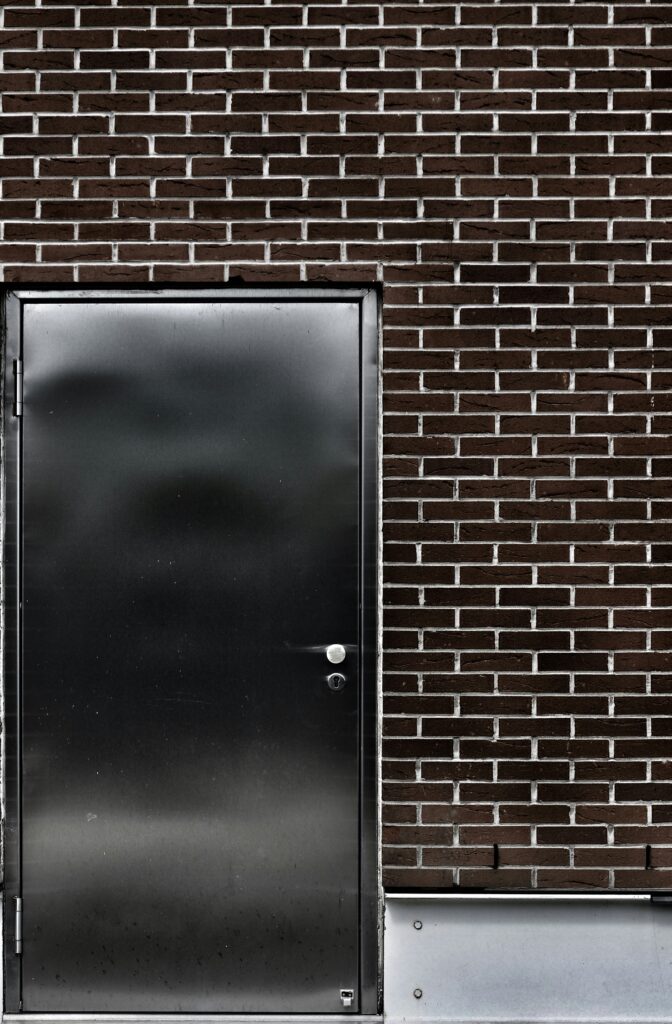
Metal doors are known for their strength, durability, and security – but over time, exposure to moisture, air, and harsh weather can cause an unwelcome problem: rust. Rust not only affects the appearance of your metal doors but can also weaken their structure if left untreated. The good news is that rusty metal doors can often be restored with the right approach.

In this detailed guide, we’ll explain why metal doors rust, how to fix rust step by step, and what you can do to prevent it from coming back, helping your doors look good and perform well for years to come.

Why Do Metal Doors Rust?

Rust forms when iron or steel reacts with oxygen and moisture, a process known as oxidation. Metal doors are particularly vulnerable if their protective coating becomes damaged or worn.

Common causes of rust include:

  • Constant exposure to rain and humidity
  • Scratches or chipped paint exposing bare metal
  • Poor-quality or aged paint finishes
  • Coastal or industrial environments
  • Lack of routine maintenance

Understanding the cause helps ensure you fix the problem properly and prevent future corrosion.

Is Rust on Metal Doors a Serious Problem?

Not all rust is the same. Some rust is purely cosmetic, while other forms can cause structural damage.

Surface Rust

This is light corrosion affecting the top layer of metal. It’s easy to fix and mainly impacts appearance.

Scale Rust

Occurs when rust penetrates deeper into the metal, causing flaking and rough patches.

Structural Rust

This is the most serious form and can weaken the door significantly. In extreme cases, replacement may be necessary.

Early detection makes restoration much easier and more cost-effective.

Tools and Materials You’ll Need

Before starting repairs, gather the following:

  • Wire brush or sanding block
  • Medium and fine-grit sandpaper
  • Rust remover or rust converter
  • Clean cloths
  • Mild detergent and water
  • Metal primer (rust-inhibiting)
  • Exterior-grade metal paint
  • Paintbrush or roller
  • Protective gloves and mask

Having the right tools ensures a smooth and professional-looking finish.

Step-by-Step Guide to Fixing Rusty Metal Doors

Step 1: Clean the Door Thoroughly

Start by washing the door with mild detergent and water to remove dirt, grease, and loose debris. Allow it to dry completely before moving to the next step.

Step 2: Remove Loose Rust and Paint

Use a wire brush or sandpaper to remove flaking paint and loose rust. Focus on rusted areas but feather the edges so the surface blends smoothly with surrounding paint.

Step 3: Sand the Surface

Once the loose rust is removed, sand the affected areas with medium-grit sandpaper, followed by fine-grit paper. This creates a smooth surface for treatment and painting.

Step 4: Apply a Rust Treatment

Apply a rust remover or rust converter according to the manufacturer’s instructions. Rust converters chemically transform rust into a stable, paintable surface, helping prevent further corrosion.

Step 5: Prime the Door

Use a high-quality, rust-inhibiting metal primer. Priming is essential, it seals the surface and provides a strong base for paint, improving durability and longevity.

Step 6: Repaint the Door

Apply an exterior-grade metal paint designed to withstand weather exposure. Use thin, even coats and allow proper drying time between layers for best results.

Choosing the Right Paint for Metal Doors

Selecting the correct paint is crucial for long-term protection.

Look for:

  • Weather-resistant properties
  • Anti-corrosion or rust-proof labels
  • UV resistance to prevent fading
  • Compatibility with metal surfaces

Gloss or semi-gloss finishes are often preferred as they repel moisture better and are easier to clean.

Preventing Rust from Returning

After restoring your metal door, prevention becomes the priority.

Regular Inspections

Check your doors every few months for chips, scratches, or early signs of rust.

Prompt Touch-Ups

Repair paint damage immediately to prevent moisture from reaching bare metal.

Keep Doors Dry

Ensure proper drainage and avoid water pooling around door frames.

Lubricate Hinges and Hardware

Rust can spread from hinges and screws, so keep metal components well-maintained.

Apply Protective Coatings

Consider clear protective sealants or anti-rust sprays for added protection.

When Should You Replace a Rusty Metal Door?

While many doors can be restored, replacement may be the better option if:

  • Rust has caused holes or severe structural damage
  • The door no longer seals properly
  • Repairs are frequent and costly
  • Safety and security are compromised

In such cases, upgrading to a new, corrosion-resistant metal or aluminium door may be more cost-effective in the long run.

DIY vs Professional Repair

DIY Repairs

Suitable for light to moderate surface rust and budget-conscious homeowners.

Professional Repairs

Recommended for extensive rust, large doors, or commercial properties. Professionals ensure proper treatment, finishing, and long-lasting protection.

Choosing the right approach depends on the severity of rust and your skill level.

How Rust Impacts Energy Efficiency and Security

Rust doesn’t just affect appearance. Over time, it can:

  • Compromise insulation
  • Create gaps that allow drafts
  • Weaken locking mechanisms
  • Reduce overall security

Maintaining rust-free doors contributes to a safer, more energy-efficient home.

Conclusion: Restore Your Metal Door the Right Way

Rusty metal doors don’t have to mean replacement. With timely attention, the right tools, and proper techniques, you can restore your doors to a clean, durable, and attractive condition. From removing rust and repainting to applying preventive measures, each step plays a role in extending the life of your metal doors.

Regular maintenance and early intervention are the keys to keeping rust at bay. Whether you choose a DIY fix or professional help, addressing rust promptly protects both the appearance and performance of your doors ensuring they continue to serve your home reliably for years to come.

Industrial Factory Doors: A Complete Guide to Selecting the Best Doors for Your Facility

In an industrial environment, every design decision plays a crucial role in productivity, safety, and long-term cost efficiency, and factory doors are no exception. Factory doors are not merely entry and exit points; they serve as essential components that regulate workflow, ensure security, enhance safety, and improve energy efficiency. Choosing the right factory doors can significantly impact daily operations, employee comfort, and compliance with industry standards.

This comprehensive guide explores the different types of factory doors, key factors to consider when selecting them, and how the right choice can future-proof your facility.

Why Factory Doors Are More Important Than You Think

Factory doors operate in demanding environments. Unlike residential or standard commercial doors, they must withstand constant use, heavy machinery movement, harsh weather, temperature variations, and strict safety regulations. Poor-quality or unsuitable doors can lead to downtime, increased maintenance costs, energy loss, and even workplace accidents.

High-quality factory doors help streamline logistics, protect assets, reduce noise pollution, and maintain internal environmental conditions making them an essential investment rather than a simple architectural feature.

Understanding Different Types of Factory Doors

Roller Shutter Doors

Roller shutter doors are among the most popular choices for factories due to their space-saving design and durability. They roll vertically into a compact box, making them ideal for facilities with limited space. These doors are commonly used for loading bays, warehouses, and production units.

Sectional Overhead Doors

Sectional doors open vertically and slide along ceiling tracks, offering excellent insulation and weather resistance. They are particularly suitable for temperature-controlled factories, food processing plants, and pharmaceutical units.

Steel Security Doors

Designed for maximum protection, steel doors provide superior resistance against forced entry, fire, and impact. These doors are often installed in high-security zones such as storage rooms, chemical units, and restricted-access areas.

High-Speed Doors

High-speed doors are engineered for rapid opening and closing, improving workflow efficiency and maintaining internal climate control. They are ideal for high-traffic areas where forklifts and personnel frequently move between zones.

Fire-Rated Factory Doors

Fire-rated doors are essential for meeting safety regulations and protecting lives and property. They are designed to withstand fire for a specific duration, preventing flames and smoke from spreading across sections of the factory.

Key Factors to Consider When Choosing Factory Doors

Operational Requirements

The first step in selecting the right factory door is understanding how it will be used. Consider the frequency of opening and closing, the type of traffic (manual handling, forklifts, pallets), and the speed required for operations.

Material Strength and Durability

Factory doors must endure heavy usage and harsh conditions. Materials like galvanized steel, aluminum, and reinforced composites offer excellent durability and longevity, reducing repair and replacement costs.

Safety and Compliance

Compliance with local safety regulations and international standards is non-negotiable. Look for doors with safety sensors, emergency stop features, fire ratings, and anti-fall mechanisms to protect workers and equipment.

Thermal and Acoustic Insulation

Insulated factory doors help maintain internal temperatures, reduce energy consumption, and minimize noise pollution. This is especially important in factories with climate-sensitive processes or noise-heavy machinery.

Security Needs

Factories often store high-value machinery, raw materials, and finished goods. Choosing doors with advanced locking systems, reinforced panels, and access control integration enhances overall facility security.

Energy Efficiency and Sustainability Benefits

Modern factory doors contribute significantly to energy efficiency. Insulated doors prevent heat loss during winter and keep interiors cool during summer, reducing HVAC costs. High-speed doors minimize air exchange, helping factories maintain consistent internal environments.

Additionally, many manufacturers now offer eco-friendly materials and energy-efficient designs, supporting sustainability goals and reducing the factory’s carbon footprint.

Automation and Smart Door Technology

Automated factory doors are becoming the industry standard. Features such as motion sensors, remote controls, programmable timers, and integration with building management systems improve operational efficiency and safety.

Smart factory doors also reduce human error, enhance access control, and provide data insights on door usage helping managers optimize workflows and maintenance schedules.

Maintenance and Long-Term Cost Considerations

While the initial cost of factory doors is an important factor, long-term maintenance and operational costs should not be overlooked. High-quality doors may have a higher upfront cost but offer lower maintenance, fewer breakdowns, and longer service life.

Regular inspections, lubrication, and timely repairs ensure smooth operation and prevent costly downtime. Choosing a reputable supplier with strong after-sales support is equally important.

Customisation for Industry-Specific Needs

Every factory operates differently. Custom factory doors can be tailored to size, material, insulation level, speed, and safety features to meet specific industry requirements. Whether it’s a food processing plant needing hygiene-compliant doors or a manufacturing unit requiring heavy-duty impact resistance, customization ensures optimal performance.

Common Mistakes to Avoid When Selecting Factory Doors

One of the most common mistakes is prioritizing cost over quality. Cheap doors may fail under industrial stress, leading to frequent repairs and safety risks. Another mistake is ignoring future scalability doors should accommodate potential expansion and increased operational demand.

Failing to consider environmental conditions such as humidity, dust, and temperature can also result in premature wear and reduced efficiency.

Final Thoughts: Investing in the Right Factory Doors

Choosing the right factory doors is a strategic decision that directly impacts productivity, safety, energy efficiency, and long-term operational costs. By understanding your facility’s specific needs, evaluating door types, and focusing on quality and compliance, you can ensure a solution that delivers value for years to come.

Factory doors are more than just access points, they are essential infrastructure elements that support smooth operations and sustainable growth. Investing wisely today means fewer disruptions, enhanced safety, and improved efficiency tomorrow.

The Complete Guide to Industrial Sectional Overhead Doors: Features, Benefits, and Applications

Industrial sectional overhead doors play a crucial role in the smooth operation, security, and energy efficiency of modern industrial and commercial facilities. From warehouses and factories to logistics hubs and automotive workshops, these doors are designed to handle heavy usage while offering durability, insulation, and safety. Choosing the right overhead door solution can significantly impact productivity, operating costs, and building performance.

This comprehensive guide explains everything you need to know about industrial sectional overhead doors, including how they work, their benefits, materials, insulation options, safety features, and how to choose the right one for your facility.

What Are Industrial Sectional Overhead Doors?

Industrial sectional overhead doors are large doors made up of horizontal panels connected by hinges. These panels move vertically and slide along tracks, eventually resting parallel to the ceiling when fully open. Unlike traditional swing or roller doors, sectional overhead doors maximise usable space both inside and outside the building.

These doors are specifically engineered for industrial environments where frequent opening and closing, heavy-duty performance, and long service life are required.

How Industrial Sectional Overhead Doors Work

Sectional overhead doors operate using a track-and-spring system. When opened, the panels lift vertically and curve smoothly along the ceiling tracks. The movement is supported by torsion or extension springs, which balance the door’s weight and make operation effortless.

They can be operated:

  • Manually (for smaller industrial units)
  • Using electric motors with wall switches
  • Via remote controls or smart automation systems

This flexible operation makes them suitable for a wide range of industrial applications.

Key Benefits of Industrial Sectional Overhead Doors

1. Space Efficiency

Because these doors open vertically and rest overhead, they do not swing outward or require additional clearance. This allows:

  • Maximum use of driveway and loading areas
  • Efficient internal layout planning
  • Safe operation in confined spaces

2. Superior Insulation and Energy Efficiency

Most industrial sectional doors are available with insulated panels. These panels help:

  • Maintain stable indoor temperatures
  • Reduce heat loss in winter and heat gain in summer
  • Lower energy consumption and heating costs

This makes them ideal for temperature-controlled facilities, cold storage, and manufacturing units.

3. Durability and Long Lifespan

Designed for heavy-duty use, industrial sectional overhead doors are built to withstand:

  • High traffic cycles
  • Harsh weather conditions
  • Daily industrial wear and tear

With proper maintenance, these doors can last for many years without performance loss.

4. Enhanced Security

Security is a major concern for industrial premises. Sectional overhead doors offer:

  • Robust panel construction
  • Secure locking mechanisms
  • Optional access control integration
  • Tamper-resistant designs

These features help protect valuable equipment, goods, and personnel.

Common Materials Used in Industrial Sectional Doors

The choice of material affects performance, insulation, maintenance, and appearance.

Steel Sectional Doors

Steel is the most popular choice for industrial doors due to its strength and durability. Benefits include:

  • High impact resistance
  • Long service life
  • Minimal maintenance
  • Compatibility with insulation panels

Aluminium Sectional Doors

Aluminium doors are lighter and corrosion-resistant. They are often used where:

  • A modern aesthetic is required
  • Visibility panels are included
  • Weight reduction is important

Glazed or Vision Panel Doors

These doors combine aluminium or steel frames with transparent panels to allow natural light inside the facility. They are ideal for:

  • Showrooms
  • Service bays
  • Automotive workshops

Insulation Options for Industrial Sectional Overhead Doors

Insulation is a key factor in door performance. Most high-quality sectional doors use:

  • Polyurethane foam-filled panels
  • Multi-layer sandwich construction
  • Thermal break designs

Insulated doors help:

  • Reduce condensation
  • Improve acoustic insulation
  • Create a comfortable working environment

Facilities with temperature-sensitive operations benefit significantly from insulated sectional doors.

Safety Features and Compliance

Industrial sectional overhead doors are designed to meet strict safety standards. Common safety features include:

  • Finger-protection panel joints
  • Spring break protection systems
  • Cable break devices
  • Emergency manual operation
  • Safety edge sensors for automated doors

These features reduce the risk of accidents and ensure compliance with workplace safety regulations.

Automation and Smart Control Options

Modern industrial sectional doors can be fully automated and integrated with building management systems. Automation options include:

  • High-speed electric motors
  • Remote and keypad access
  • Motion sensors
  • Smart controls and IoT integration

Automation improves efficiency by reducing waiting times and enhancing operational flow, especially in high-traffic environments.

Where Industrial Sectional Overhead Doors Are Used

These doors are suitable for a wide range of industries, including:

  • Warehouses and distribution centres
  • Manufacturing plants
  • Logistics and transport hubs
  • Automotive service centres
  • Fire stations
  • Aircraft hangars
  • Cold storage and food processing facilities

Their adaptability makes them a preferred solution across multiple sectors.

Choosing the Right Industrial Sectional Overhead Door

When selecting the right door, consider the following factors:

  • Door size and opening frequency
  • Insulation requirements
  • Security needs
  • Type of operation (manual or automated)
  • Environmental conditions
  • Compliance with safety standards

Working with an experienced supplier or installer ensures the door is tailored to your facility’s specific requirements.

Maintenance and Long-Term Care

Regular maintenance helps extend the life of industrial sectional overhead doors. Best practices include:

  • Periodic inspection of springs and cables
  • Lubrication of moving parts
  • Checking alignment and balance
  • Testing safety systems

Planned maintenance reduces downtime and prevents costly repairs.

Conclusion

Industrial sectional overhead doors are a smart, reliable, and efficient solution for modern industrial facilities. Their space-saving design, insulation performance, durability, and advanced safety features make them ideal for demanding environments. Whether you are constructing a new facility or upgrading existing infrastructure, investing in high-quality sectional overhead doors enhances security, energy efficiency, and overall operational performance.

By understanding their features, materials, and applications, you can confidently choose an industrial sectional overhead door that supports your business needs today and into the future.

Why Automated Insulated Sectional Garage Doors Are the Ideal Choice for Modern Properties

Choosing the right garage door is more important than many property owners realise. A garage door plays a key role in security, energy efficiency, convenience, and the overall appearance of a home or commercial property. With advancements in technology and materials, automated insulated sectional garage doors have become one of the most popular and practical solutions for modern properties.

This blog explores why automated insulated sectional garage doors are considered a perfect solution, highlighting their benefits, functionality, and long-term value for homeowners and property developers.

Understanding Automated Insulated Sectional Garage Doors

Automated insulated sectional garage doors are made up of horizontal panels that open vertically and slide neatly into the ceiling space. Unlike traditional up-and-over doors, sectional doors do not swing outward, making them ideal for properties with limited driveway space.

These doors are equipped with insulation layers and motorised systems that allow smooth, remote-controlled operation. The combination of automation and insulation delivers both comfort and convenience while enhancing security.

Enhanced Security for Peace of Mind

Security is a top priority for any property owner, and automated insulated sectional garage doors excel in this area. Their robust construction and advanced locking mechanisms make them significantly harder to force open compared to older garage door styles.

Key security benefits include:

  • Strong, durable panel construction
  • Integrated locking systems
  • Secure automated opening mechanisms
  • Reduced vulnerability to tampering

For properties where the garage is connected to the main living space, enhanced garage security directly contributes to overall home safety.

Superior Thermal Insulation and Energy Efficiency

One of the standout features of insulated sectional garage doors is their ability to regulate temperature. High-quality insulation helps maintain a stable internal environment, preventing heat loss during colder months and reducing heat gain in warmer seasons.

Benefits of insulation include:

  • Improved energy efficiency
  • Reduced heating and cooling costs
  • Protection for stored vehicles and belongings
  • Increased comfort in attached garages

For homeowners using their garage as a workspace, gym, or utility area, insulation makes the space usable all year round.

Convenient Automated Operation

Automation transforms how a garage door is used on a daily basis. With automated insulated sectional garage doors, opening and closing the door is effortless, often controlled via a remote, wall-mounted switch, or smart device.

Advantages of automation include:

  • Easy access without leaving the vehicle
  • Smooth and quiet operation
  • Improved accessibility for elderly or disabled users
  • Integration with smart home systems

This level of convenience is especially valuable during bad weather or for busy households with multiple daily entries and exits.

Space-Saving Design and Practicality

Sectional garage doors are designed to maximise available space. Because they open vertically and rest flat under the ceiling, they do not intrude into driveway or internal garage space.

This design offers:

  • Better use of driveway space
  • Increased internal garage storage options
  • Compatibility with short driveways
  • Cleaner and more organised garage interiors

The space-saving nature of sectional doors makes them suitable for both residential and commercial properties.

Modern Aesthetics and Design Flexibility

Automated insulated sectional garage doors are available in a wide range of styles, colours, finishes, and panel designs. This allows property owners to select a door that complements their property’s architectural style.

Design options typically include:

  • Contemporary and traditional panel styles
  • Woodgrain and smooth finishes
  • Custom colours to match exterior décor
  • Window inserts for natural light

A well-chosen garage door can significantly enhance kerb appeal and contribute to a modern, polished exterior.

Quiet and Smooth Performance

Modern automated systems are designed for quiet operation, making insulated sectional garage doors ideal for homes where noise reduction is important. This is particularly beneficial for garages located beneath or adjacent to living areas.

Quiet performance is achieved through:

  • Advanced motor technology
  • Precision-engineered tracks
  • Insulated panels that reduce vibration

The result is a smooth, reliable door that operates without disturbing household activities.

Durability and Low Maintenance Requirements

Automated insulated sectional garage doors are built to last. High-quality materials and protective coatings help them withstand weather conditions, daily use, and wear over time.

Maintenance benefits include:

  • Resistance to rust and corrosion
  • Minimal servicing requirements
  • Long lifespan with proper care

Regular inspections and basic maintenance are usually sufficient to keep the door functioning optimally for years.

Increased Property Value

Installing an automated insulated sectional garage door is an investment that can increase property value. Buyers are increasingly looking for modern features that improve efficiency, security, and convenience.

Value-adding benefits include:

  • Improved energy efficiency
  • Enhanced visual appeal
  • Modern automated functionality
  • Reduced long-term maintenance costs

A high-quality garage door upgrade can make a property more attractive in a competitive market.

Suitable for a Wide Range of Properties

Automated insulated sectional garage doors are versatile and suitable for various property types, including:

  • Detached and semi-detached homes
  • Townhouses
  • Commercial units
  • Renovation and new-build projects

Their adaptability makes them a practical solution for both modern developments and property upgrades.

Conclusion

Automated insulated sectional garage doors offer a perfect balance of security, efficiency, convenience, and design. Their advanced features address the needs of modern property owners while providing long-term performance and value.

Whether you are upgrading an existing garage door or planning a new installation, automated insulated sectional garage doors stand out as a reliable and future-proof solution. With improved insulation, seamless automation, and stylish design options, they are an excellent choice for enhancing both the functionality and appearance of your property.