
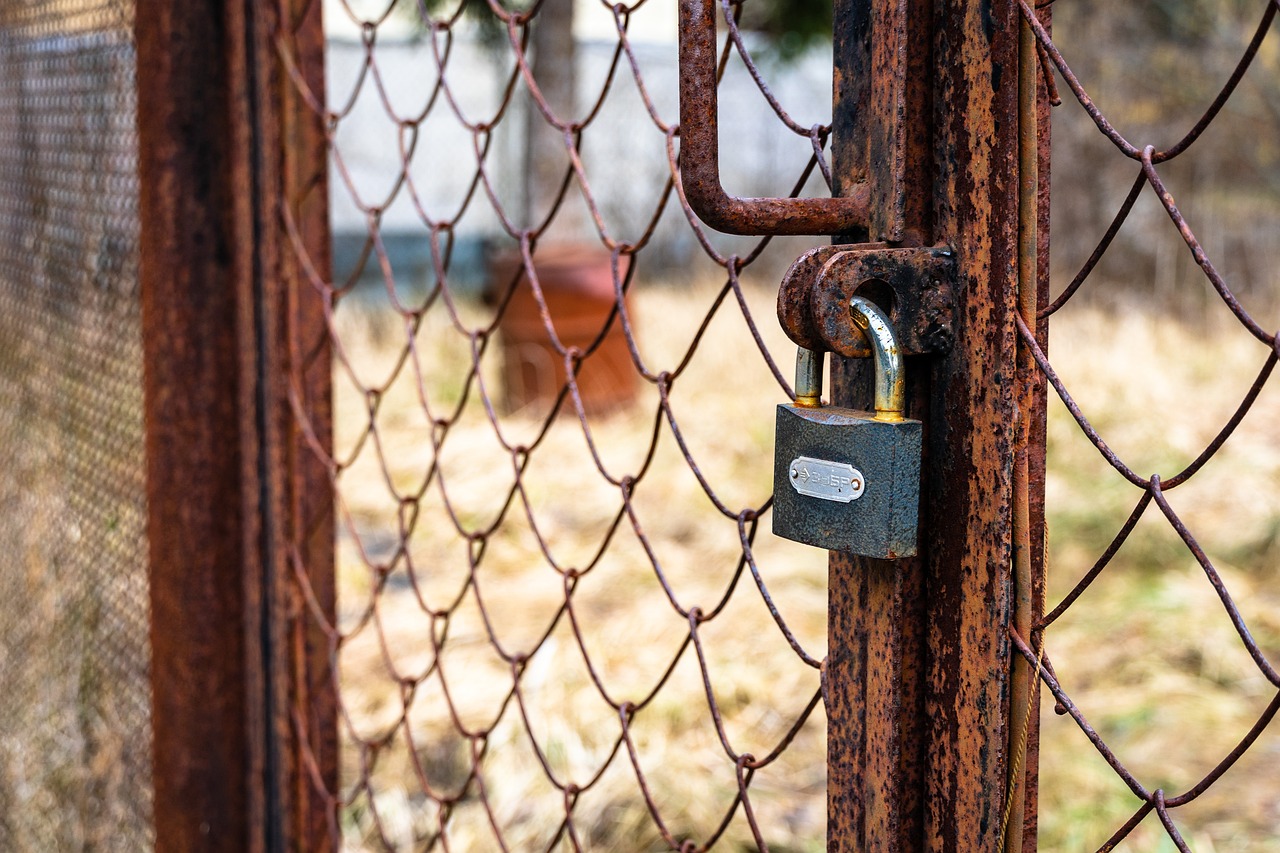
Metal doors are known for their strength, durability, and security – but over time, exposure to moisture, air, and harsh weather can cause an unwelcome problem: rust. Rust not only affects the appearance of your metal doors but can also weaken their structure if left untreated. The good news is that rusty metal doors can often be restored with the right approach.
In this detailed guide, we’ll explain why metal doors rust, how to fix rust step by step, and what you can do to prevent it from coming back, helping your doors look good and perform well for years to come.
Why Do Metal Doors Rust?
Rust forms when iron or steel reacts with oxygen and moisture, a process known as oxidation. Metal doors are particularly vulnerable if their protective coating becomes damaged or worn.
Common causes of rust include:
- Constant exposure to rain and humidity
- Scratches or chipped paint exposing bare metal
- Poor-quality or aged paint finishes
- Coastal or industrial environments
- Lack of routine maintenance
Understanding the cause helps ensure you fix the problem properly and prevent future corrosion.
Is Rust on Metal Doors a Serious Problem?
Not all rust is the same. Some rust is purely cosmetic, while other forms can cause structural damage.
Surface Rust
This is light corrosion affecting the top layer of metal. It’s easy to fix and mainly impacts appearance.
Scale Rust
Occurs when rust penetrates deeper into the metal, causing flaking and rough patches.
Structural Rust
This is the most serious form and can weaken the door significantly. In extreme cases, replacement may be necessary.
Early detection makes restoration much easier and more cost-effective.
Tools and Materials You’ll Need
Before starting repairs, gather the following:
- Wire brush or sanding block
- Medium and fine-grit sandpaper
- Rust remover or rust converter
- Clean cloths
- Mild detergent and water
- Metal primer (rust-inhibiting)
- Exterior-grade metal paint
- Paintbrush or roller
- Protective gloves and mask
Having the right tools ensures a smooth and professional-looking finish.
Step-by-Step Guide to Fixing Rusty Metal Doors
Step 1: Clean the Door Thoroughly
Start by washing the door with mild detergent and water to remove dirt, grease, and loose debris. Allow it to dry completely before moving to the next step.
Step 2: Remove Loose Rust and Paint
Use a wire brush or sandpaper to remove flaking paint and loose rust. Focus on rusted areas but feather the edges so the surface blends smoothly with surrounding paint.
Step 3: Sand the Surface
Once the loose rust is removed, sand the affected areas with medium-grit sandpaper, followed by fine-grit paper. This creates a smooth surface for treatment and painting.
Step 4: Apply a Rust Treatment
Apply a rust remover or rust converter according to the manufacturer’s instructions. Rust converters chemically transform rust into a stable, paintable surface, helping prevent further corrosion.
Step 5: Prime the Door
Use a high-quality, rust-inhibiting metal primer. Priming is essential, it seals the surface and provides a strong base for paint, improving durability and longevity.
Step 6: Repaint the Door
Apply an exterior-grade metal paint designed to withstand weather exposure. Use thin, even coats and allow proper drying time between layers for best results.
Choosing the Right Paint for Metal Doors
Selecting the correct paint is crucial for long-term protection.
Look for:
- Weather-resistant properties
- Anti-corrosion or rust-proof labels
- UV resistance to prevent fading
- Compatibility with metal surfaces
Gloss or semi-gloss finishes are often preferred as they repel moisture better and are easier to clean.
Preventing Rust from Returning
After restoring your metal door, prevention becomes the priority.
Regular Inspections
Check your doors every few months for chips, scratches, or early signs of rust.
Prompt Touch-Ups
Repair paint damage immediately to prevent moisture from reaching bare metal.
Keep Doors Dry
Ensure proper drainage and avoid water pooling around door frames.
Lubricate Hinges and Hardware
Rust can spread from hinges and screws, so keep metal components well-maintained.
Apply Protective Coatings
Consider clear protective sealants or anti-rust sprays for added protection.
When Should You Replace a Rusty Metal Door?
While many doors can be restored, replacement may be the better option if:
- Rust has caused holes or severe structural damage
- The door no longer seals properly
- Repairs are frequent and costly
- Safety and security are compromised
In such cases, upgrading to a new, corrosion-resistant metal or aluminium door may be more cost-effective in the long run.
DIY vs Professional Repair
DIY Repairs
Suitable for light to moderate surface rust and budget-conscious homeowners.
Professional Repairs
Recommended for extensive rust, large doors, or commercial properties. Professionals ensure proper treatment, finishing, and long-lasting protection.
Choosing the right approach depends on the severity of rust and your skill level.
How Rust Impacts Energy Efficiency and Security
Rust doesn’t just affect appearance. Over time, it can:
- Compromise insulation
- Create gaps that allow drafts
- Weaken locking mechanisms
- Reduce overall security
Maintaining rust-free doors contributes to a safer, more energy-efficient home.
Conclusion: Restore Your Metal Door the Right Way
Rusty metal doors don’t have to mean replacement. With timely attention, the right tools, and proper techniques, you can restore your doors to a clean, durable, and attractive condition. From removing rust and repainting to applying preventive measures, each step plays a role in extending the life of your metal doors.
Regular maintenance and early intervention are the keys to keeping rust at bay. Whether you choose a DIY fix or professional help, addressing rust promptly protects both the appearance and performance of your doors ensuring they continue to serve your home reliably for years to come.