
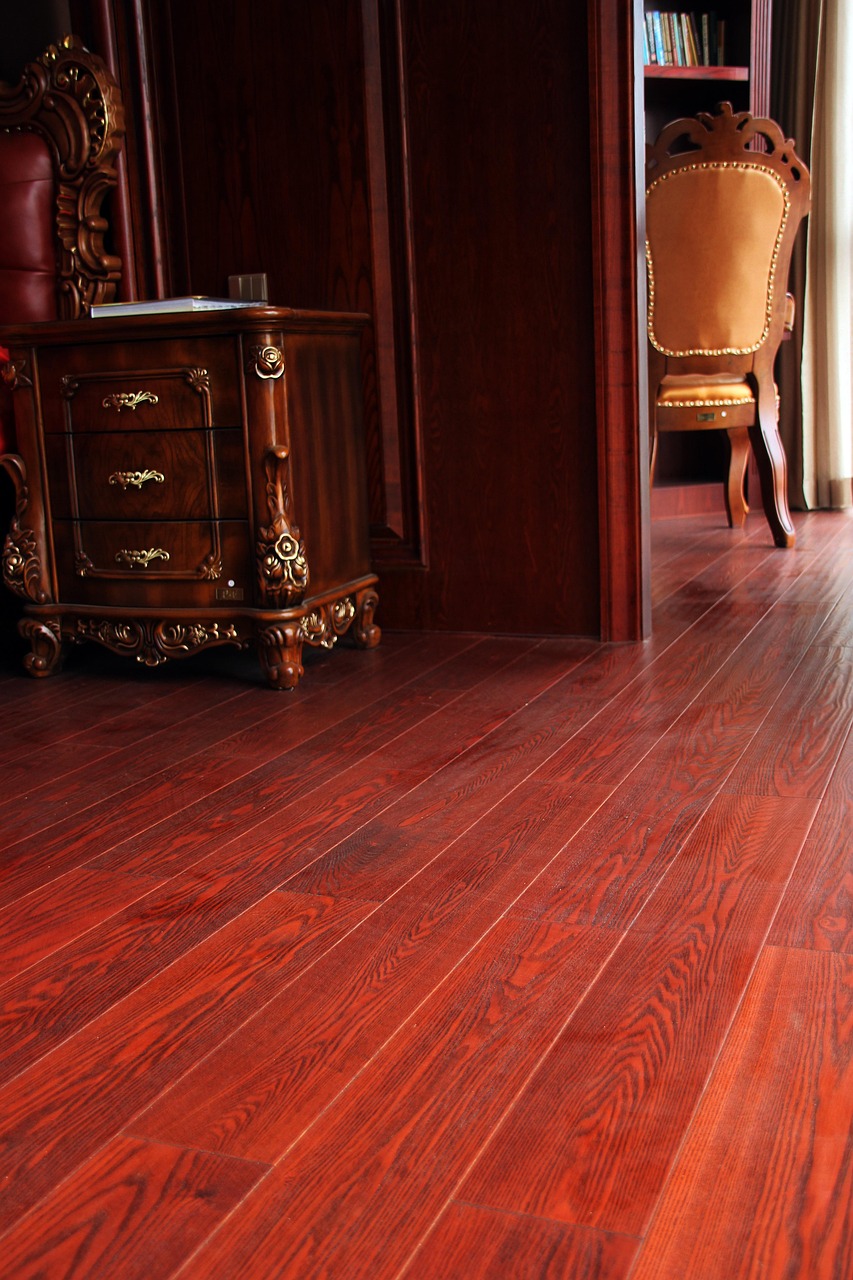
Engineered wood flooring has become a favourite among homeowners for its natural beauty, durability, and resistance to moisture compared to solid hardwood. But like any premium flooring, it needs the right care to keep it looking stunning for years. Whether you’ve recently installed engineered wood flooring or want to revive an older surface, understanding proper maintenance is essential.
This complete guide covers daily cleaning, long-term care, protective measures, and expert tips to help you maintain the elegance and longevity of engineered wood floors.
What Makes Engineered Wood Flooring Unique?
Before diving into maintenance techniques, it’s helpful to understand what engineered wood flooring is. Unlike solid hardwood, which is made from a single plank, engineered flooring consists of:
- A real hardwood veneer on top
- Multiple layers of plywood or high-density fibreboard (HDF) underneath
- A cross-layered structure for increased stability
This construction makes engineered wood:
- Less prone to warping
- More resistant to humidity changes
- Suitable for kitchens and basements
- Compatible with underfloor heating
However, the top veneer layer must be cared for properly to avoid scratches, dullness, or moisture damage.
Daily Care Tips: Keep Your Engineered Wood Looking New
Regular care prevents dirt, grit, and spills from damaging the surface.
1. Sweep or Vacuum Daily
Dust, sand, and tiny particles can scratch the wood finish. Use:
- A soft-bristled broom
- A microfiber dust mop
- A vacuum cleaner with a hard-floor setting (no rotating brushes)
This simple routine extends the life of the protective coating.
2. Mop Carefully—Avoid Excess Water
Water is the enemy of wood. Instead of wet mopping, use a slightly damp microfiber mop.
Tips:
- Wring out the mop thoroughly
- Use a pH-neutral cleaner designed specifically for wood floors
- Never pour water directly onto the floor
- Immediately wipe spills to prevent swelling or staining
3. Place Doormats and Rugs Strategically
Most dirt that scratches wood flooring is brought in from outside.
Use:
- A coarse mat outside your entrance
- A fabric mat inside
- Rugs in high-traffic areas like hallways and kitchens
Choose mats with non-slip natural backing avoid rubber as it can discolor wood.
Protecting Your Engineered Wood Flooring
Prevention is the most effective maintenance strategy. A few simple measures can save you from costly repairs later.
4. Use Felt Pads Under Furniture
Chairs, tables, and sofas can scratch the floor when moved. Stick felt protectors under all legs, and replace them regularly when they become worn or dirty.
5. Avoid High Heels and Pet Claws
High heels create extreme pressure and can dent wood easily. Similarly, pets with long nails can cause visible scratches.
Solutions:
- Encourage “no shoes indoors”
- Trim your pet’s nails regularly
- Place rugs in areas where pets run or play
6. Maintain Ideal Indoor Humidity
Engineered wood handles humidity better than solid hardwood, but extreme changes still pose a risk.
Keep indoor humidity between 40% and 60% to prevent:
- Warping
- Gapping
- Cracking
Using a humidifier in winter or a dehumidifier in summer can help maintain the ideal environment.
7. Protect Against Sunlight
Prolonged sunlight exposure fades or darkens wood. Use:
- Curtains or blinds
- UV-protective window films
- Rearrangement of rugs and furniture from time to time
This prevents uneven colour changes.
Deep Cleaning and Long-Term Maintenance
Deep cleaning keeps engineered wood flooring healthy and attractive for years.
8. Use Approved Wood Cleaners Only
Avoid harsh cleaners such as:
- Bleach
- Ammonia
- Steam mops
- Vinegar
They strip the finish and harm the wood. Instead, choose products labelled safe for engineered wood and follow recommended dilution levels.
9. Refresh the Finish When Needed
Even the best-kept floors lose their shine over time. Depending on traffic levels, consider:
- Re-coating every 3–5 years
- Using a professional wood finish refresher
Re-coating adds a fresh protective layer without sanding, making it ideal for engineered flooring with thin veneers.
10. Sanding (Only When Possible)
Unlike solid hardwood, engineered wood can only be sanded if the veneer is thick enough usually 3mm or more.
A single sanding can remove:
- Deep scratches
- Stains
- Dullness
Always check manufacturer specifications before sanding, and hire a professional for best results.
Handling Common Problems
Even with regular care, issues can happen. Knowing how to address them prevents bigger problems later.
Scratches
Use:
- Wood touch-up markers
- Wax repair kits
- Professional refinishing for severe cases
Always match the shade carefully.
Water Damage
If water sits on wood too long, swelling or discoloration may occur. Steps:
- Wipe immediately
- Use a fan or dehumidifier
- If the board warps, replacement may be required
Prompt action can prevent long-term damage.
Stains
Mild stains can often be removed with:
- A microfiber cloth
- A gentle wood cleaner
Avoid scrubbing hard, you may damage the veneer.
Seasonal Care Tips
Different seasons bring different challenges.
Winter
- Use humidifiers
- Clean moisture from boots
- Add mats to catch melting snow or rain
Summer
- Run dehumidifiers
- Limit direct sunlight
- Keep indoor temperature stable
Rainy Season
- Extra caution with entryway moisture
- Check for leaks or damp carpets
Why Proper Maintenance Matters
Engineered wood is an investment, and good care ensures:
- Longer lifespan
- Enhanced beauty
- Higher property value
- Reduced repair costs
- Better indoor hygiene
With consistent maintenance, your flooring can stay stunning for decades.
Final Thoughts
Engineered wood flooring offers the warmth of real hardwood with the strength of modern construction, but it performs its best when maintained correctly. By sweeping regularly, avoiding excess water, using protective measures, and addressing problems early, you can enjoy timeless beauty under your feet for years to come.
Whether you’re a homeowner or a flooring enthusiast, these care techniques will help preserve your engineered wood flooring’s elegance and ensure it remains one of the most valuable features of your home.